July 2, 2026

A blocked toilet in London can be a real hassle. It disrupts daily routines and can lead to bigger issues. Knowing what to do...
If you’ve ever encountered the frustration of standing in a slowly rising pool of water during your shower, you know the dreaded signs of a clogged bath drain. It’s a common household issue in the UK, occurring in homes both old and new. However, the good news is that you don’t always need to call a plumber. With a few basic tools and a bit of effort, you can usually clear a bath drain yourself, saving both time and money.
In this comprehensive guide, we’ll walk you through the steps to efficiently unblock your bath drain. Whether it’s a simple hair clog or a more stubborn obstruction, our step-by-step instructions will help you get your bath back to normal in no time.
Identifying the cause of a blockage can help you determine the best way to tackle it. Knowing what typically causes blockages can also assist in preventing them in the future.
Before you get started, it’s helpful to know what might be causing your bath drain to block. The most common culprits include:
Recognising the symptoms of a blocked drain can save you from more serious plumbing issues down the line.
A clogged drain can often be identified by the following symptoms:
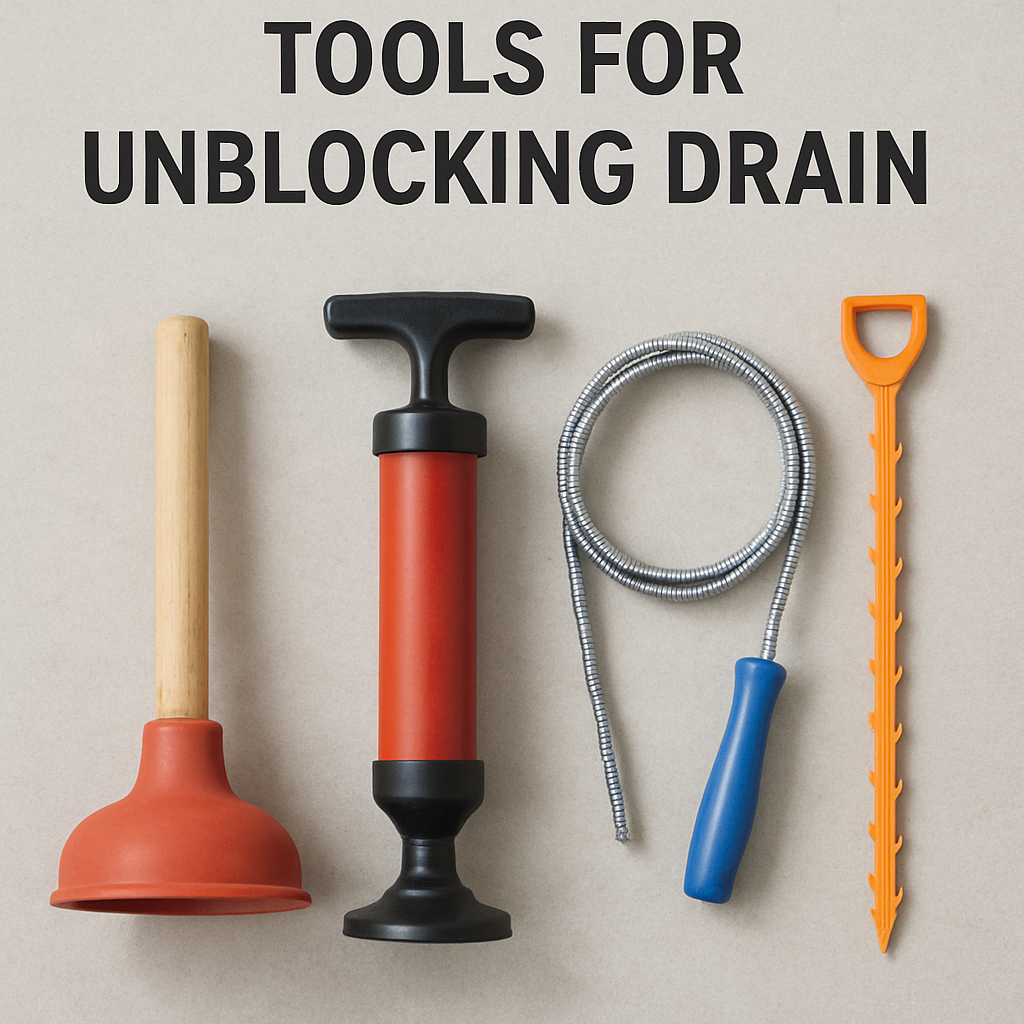
Being prepared with the right tools can make the process of unblocking your bath drain much more straightforward. Before you start the process of unblocking your bath drain, gather the following tools:
* Screwdriver: Necessary for removing the drain cover or plug. * Rubber Gloves: Protect your hands from grime and chemicals. * Bucket: Useful for catching water and debris when cleaning the P-trap.
Begin by removing the drain plug. Most plugs can be removed by unscrewing or pulling them out. Once removed, clean off any hair or debris that has collected around it. This step alone can sometimes solve the problem if the blockage is near the top of the drain. It’s a quick and simple fix that doesn’t require any specialised tools.
Position the plunger over the drain hole and ensure there is enough water in the tub to cover the rubber part of the plunger. This water will help create suction. Push down firmly and pull up quickly, repeating several times. This motion can often dislodge the blockage causing the clog.
Ensure you maintain a tight seal around the plughole for maximum effectiveness.
If the plunger doesn’t work, a drain snake might do the trick. Insert the snake into the plughole and push it down until you feel resistance. Once you reach the blockage, rotate the snake to break it up, then pull it out along with any debris. This method is effective for deeper blockages and can navigate through the bends of your pipes.
For a natural cleaning solution, pour about half a cup of bicarbonate of soda into the plughole, followed by a cup of vinegar. You’ll hear fizzing as the two react. Allow this mixture to sit for 15-30 minutes. Meanwhile, boil a kettle of water. After the wait, flush the plughole with boiling water to help clear the blockage. This method is eco-friendly and can also help eliminate odours.
For more stubborn blockages, you may need to clean the P-trap, the curved pipe beneath your bath.
Place a bucket underneath the trap to catch any water or debris. Use a spanner to loosen the nuts on the trap and remove it. Clean out any debris, then reattach it securely. This step requires some plumbing knowledge but is essential for removing deeply embedded blockages.
If after following these steps, your drain is still blocked, it might be time to call a professional plumber. Persistent blockages can indicate deeper issues within your plumbing system that require expert attention. A plumber can use specialised equipment to diagnose and resolve complex problems that are beyond the scope of DIY solutions. Additionally, if you’re uncomfortable performing any of the steps, a professional can ensure the job is done safely and effectively.
Preventing blockages is easier and more cost-effective than dealing with them after they occur.
Implementing a few simple habits can keep your drains running smoothly.
Every month, use the bicarbonate of soda and vinegar method to keep your drains clean and free of build-up. This natural method is both effective and environmentally friendly. Regular use can prevent clogs and maintain your plumbing system’s health, ensuring your drains remain odour-free and efficient.
Unblocking a bath drain in the UK can often be a straightforward task if you follow the right steps. With some basic tools and a little elbow grease, you can usually resolve the issue without needing professional help. Remember, regular maintenance can significantly reduce the likelihood of blockages in the future, saving you time and hassle. By keeping your drains clear, you can enjoy a smooth-running bath experience and avoid the inconvenience of a blocked drain.
A blocked toilet in London can be a real hassle. It disrupts daily routines and can lead to bigger issues. Knowing what to do...
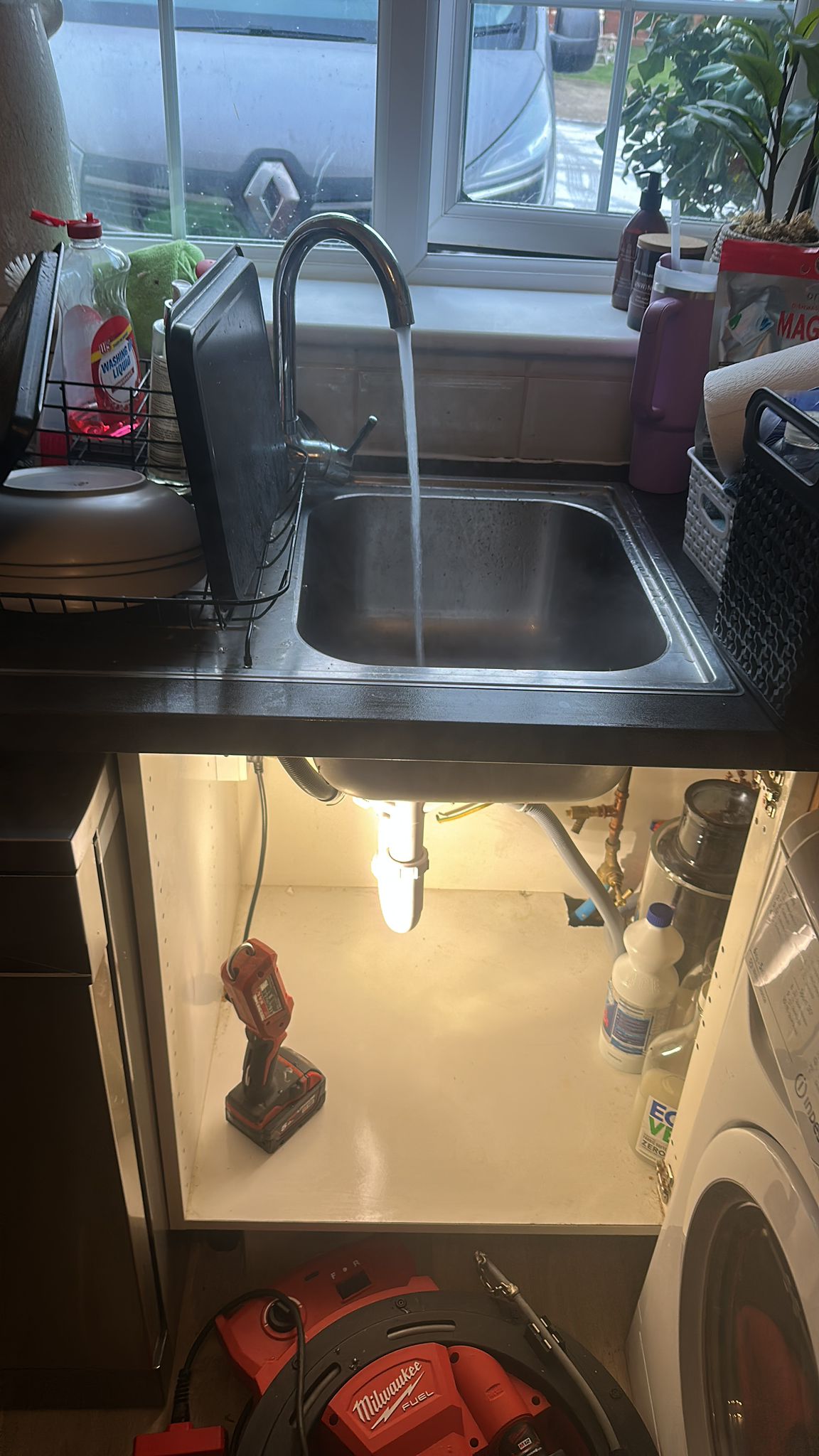
Few things disrupt the rhythm of a busy day quite like a blocked sink. Whether you are rushing to get ready for work in...
Finding a reliable plumber in London can be a daunting task. With so many options, how do you choose the right one? Customer reviews...