July 1, 2026

Few things disrupt the rhythm of a busy day quite like a blocked sink. Whether you are rushing to get ready for work in...
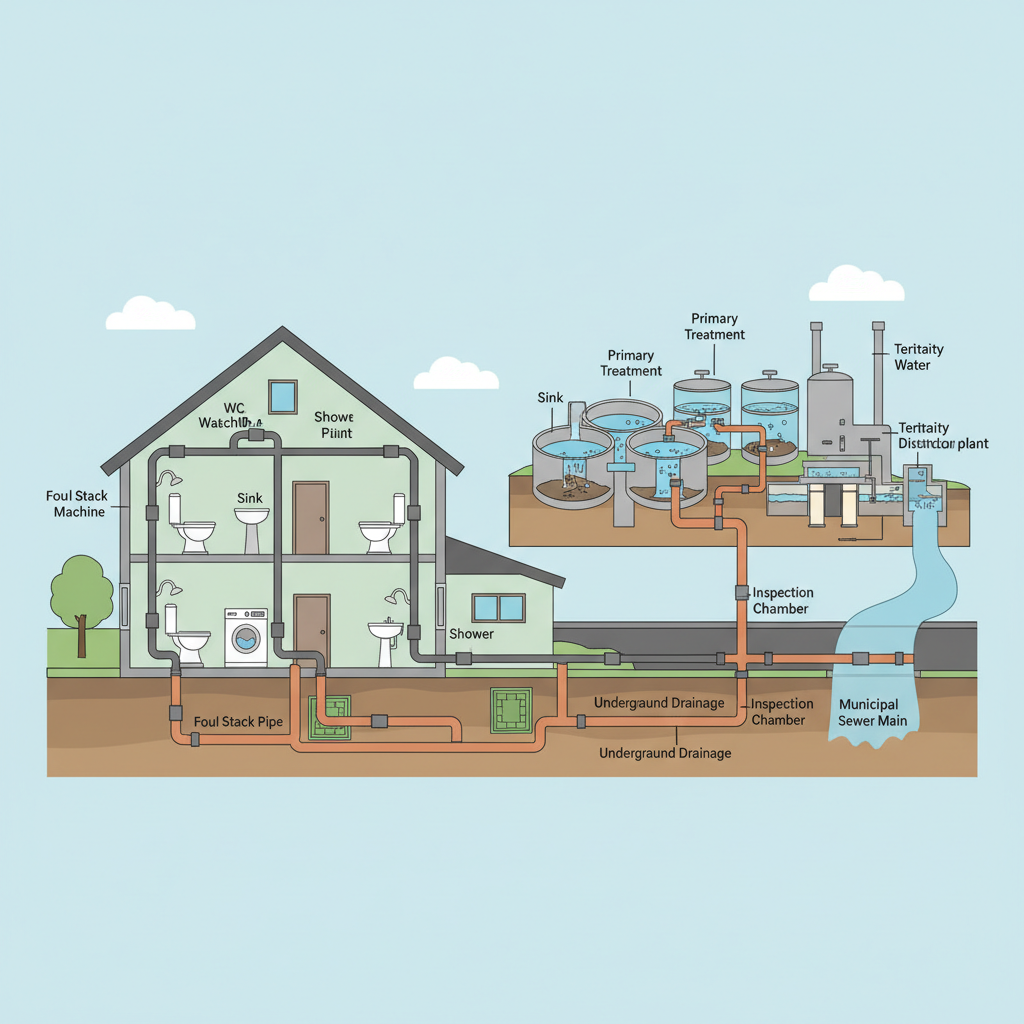
When everything in your home is running smoothly, you probably don’t give a second thought to what happens after you flush the toilet or pull the plug in the bath. But beneath your feet lies a complex network of pipes working tirelessly to keep your home sanitary and safe. This is your foul water drainage system.
It is arguably the most critical utility in any property, yet it remains a mystery to many homeowners until something goes wrong. Understanding how this system operates is not just for plumbers and engineers; it is essential knowledge for anyone who owns or rents a property. Knowing the difference between foul water and surface water, or identifying the early warning signs of a blockage, can save you significant stress and money.
In this guide, we will break down exactly what foul water drainage is, how it processes wastewater, and the regulations that keep the UK’s water systems safe. We will also provide practical advice on maintaining your system to prevent unpleasant surprises.
To understand your home’s plumbing, you first need to distinguish between the two main types of water drainage used in the UK. While they both involve moving water away from your property, they serve very different purposes and must be kept separate.
Foul water is any wastewater that has been contaminated by domestic use. It includes water from:
Because this water contains biological waste, chemicals, detergents, and food particles, it is hazardous to health and the environment. It must be transported to a treatment plant to be cleaned before it can be released back into nature.
Surface water is essentially rainwater. It collects from your roof via gutters and downpipes, as well as from paved driveways and patios. Unlike foul water, surface water is generally considered “clean” enough to be discharged directly into local rivers, streams, or soakaways without chemical treatment.
Why the distinction matters:
Connecting a foul water pipe to a surface water drain is known as a “misconnection.” This is illegal because it sends raw sewage directly into local waterways, causing pollution and harming wildlife. Conversely, sending too much rainwater into foul sewers can overwhelm treatment plants and cause flooding.
Once wastewater leaves your appliance, it begins a journey through several components designed to transport it safely away from your home.
The pipework located within your property boundary (curtilage) that serves only your home is called a drain. As a homeowner, you are typically responsible for maintaining these pipes.
Once that drain extends beyond your property boundary, or joins with a pipe serving a neighbour’s property, it becomes a lateral drain or a sewer. In most cases, responsibility for lateral drains and sewers falls to your local water and sewerage company.
You might notice metal or plastic covers in your garden or driveway. These cover inspection chambers (often called manholes). They are crucial access points that allow engineers to inspect the system and clear blockages using rods or high-pressure jets without needing to dig up the ground.
Gravity does most of the hard work. Your drains are laid at a specific gradient to ensure water flows naturally toward the main sewer. From there, the waste joins a massive network of municipal tunnels that eventually leads to the nearest sewage treatment works.
For the vast majority of UK residents, foul water drains directly into the public sewer system. However, if you live in a rural area where connecting to the main sewer isn’t feasible, you likely rely on a private system.
This is the standard for urban and suburban areas. Your household wastewater flows into a massive network managed by utility companies (such as Thames Water, Severn Trent, etc.). You pay for this service through your water bills.
If mains connection isn’t an option, properties usually use one of two systems:
If you are connected to the mains, your foul water eventually arrives at a sewage treatment plant. Here, it undergoes a rigorous four-stage process to ensure it is safe to return to the environment.
The first step is screening. The raw sewage passes through screens that catch large, non-degradable objects that shouldn’t be there—such as wet wipes, plastic, rags, and grit.
The water flows into large settlement tanks. Gravity takes over here, allowing heavier solids (sludge) to sink to the bottom, while grease and oil float to the top to be skimmed off. The settled sludge is removed for separate processing (often to generate energy).
This is the biological phase. The water is pumped into tanks where naturally occurring microorganisms (bacteria) are encouraged to break down the dissolved organic matter. Oxygen is often pumped in to help these “good bacteria” thrive and eat the waste.
The final “polishing” stage. Depending on local environmental requirements, the water may pass through sand filters, reed beds, or undergo UV disinfection to remove any remaining impurities, phosphorous, or ammonia. The clean water is then released into a river or the sea.
Drainage in the UK is strictly governed to protect public health. If you are building an extension or installing a new bathroom, you must adhere to specific rules.
This is the primary legislation regarding water supply and sewerage services. It sets out the duties of water companies and the rights of homeowners. Crucially, it defines the transfer of private sewers to water companies, which happened in 2011, shifting the burden of maintaining lateral drains from homeowners to utility providers.
Approved Document H of the Building Regulations provides the technical guidance for drainage. It covers:
Even the best-designed systems can encounter issues. Here is how to spot them and what to do.
1. Blockages
2. Foul Odours
3. Leaks and Breakages
The drainage industry is evolving to meet the challenges of climate change and population growth.
Smart Monitoring
Innovations in IoT (Internet of Things) are leading to “smart sewers.” Sensors placed in pipes can monitor flow rates and detect blockages forming in real-time. This allows water companies to clear obstructions before they cause backups or pollution incidents.
Sustainable Wastewater Management
There is a growing focus on reducing the strain on foul sewers. Technologies that recycle grey water (from showers and sinks) for use in flushing toilets or watering gardens are becoming more accessible. This reduces water consumption and the volume of waste needing treatment.
Foul water drainage is a silent, essential service that keeps our homes habitable. By understanding the difference between private and public systems, recognizing the signs of trouble, and respecting what should and shouldn’t go down the drain, you can play your part in keeping the system flowing smoothly.
If you suspect an issue with your drainage, don’t wait for it to become an emergency. Check your inspection chambers, try to identify the source, and contact a professional drainage engineer if you are out of your depth. A healthy drainage system is the foundation of a healthy home.
Few things disrupt the rhythm of a busy day quite like a blocked sink. Whether you are rushing to get ready for work in...

You don’t need a plumber’s licence or a van full of heavy equipment to tackle a leaky cabinet. With three basic tools and twenty...
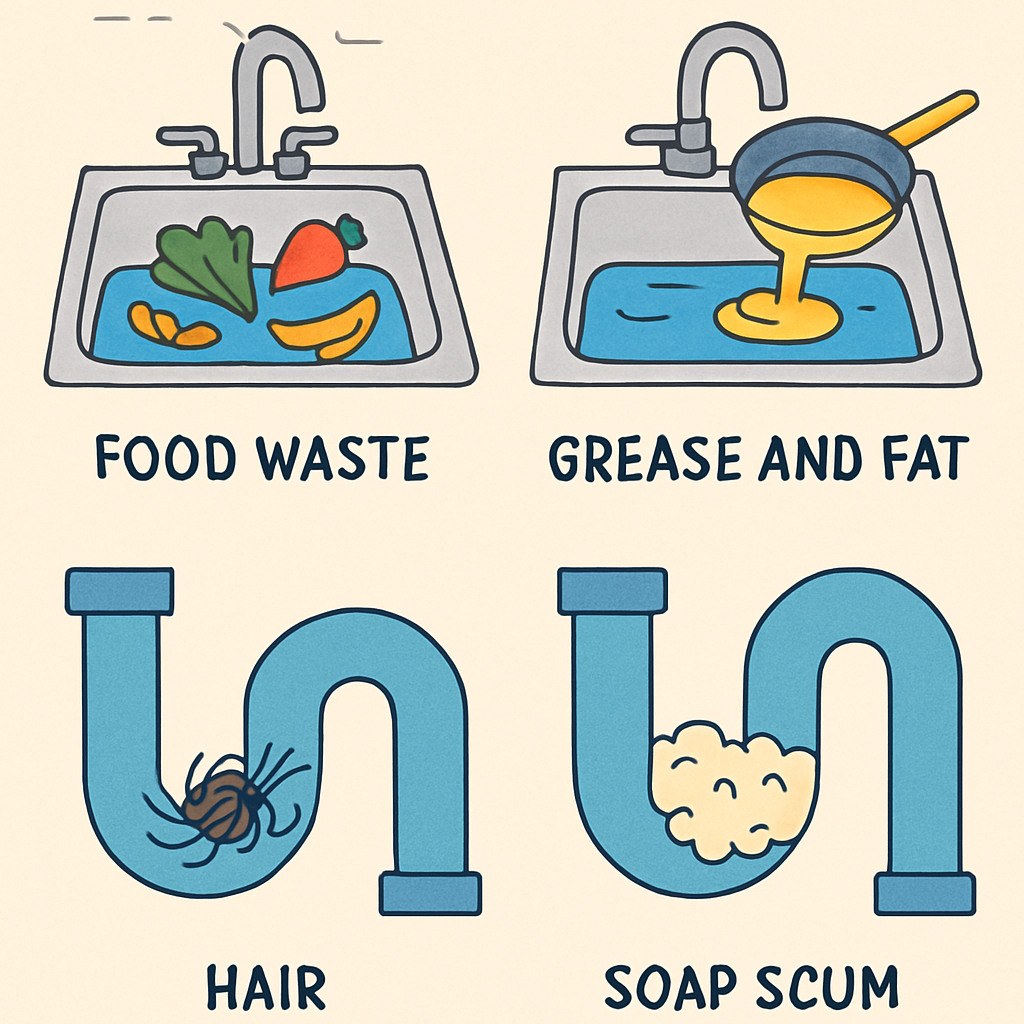
A blocked sink can disrupt your daily routine. It can cause frustration and inconvenience. But don’t worry, you can fix it yourself. This guide...