June 26, 2026

When the famous British winter begins to bite and the temperature drops across the capital, a reliable heating system is your home’s most valuable...

If you are trying to squeeze a heating engineer’s visit between the school run and a morning meeting, most appointments last between 30 and 90 minutes. While that window might seem broad, the actual boiler service duration depends on your specific model and when it was last inspected. This isn’t an unpredictable emergency repair; it is a scheduled logistical event you can plan around.
Think of this annual check-up like your car’s MOT rather than a roadside recovery. Just as a mechanic needs time to look under the bonnet, a qualified engineer requires nearly an hour to strip back the casing, clean the components, and verify the seals. According to Gas Safe Register guidelines, a comprehensive safety check involves a strict sequence of tests that simply cannot be rushed into a ten-minute visit.
Investing this time now prevents the panic of a breakdown in January. What to expect during annual boiler maintenance is a focus on prevention and warranty compliance, not a hunt for expensive problems. When you ask “how long does boiler service take,” you are really asking how much time is needed to confirm your home is safe and efficient for the year ahead.
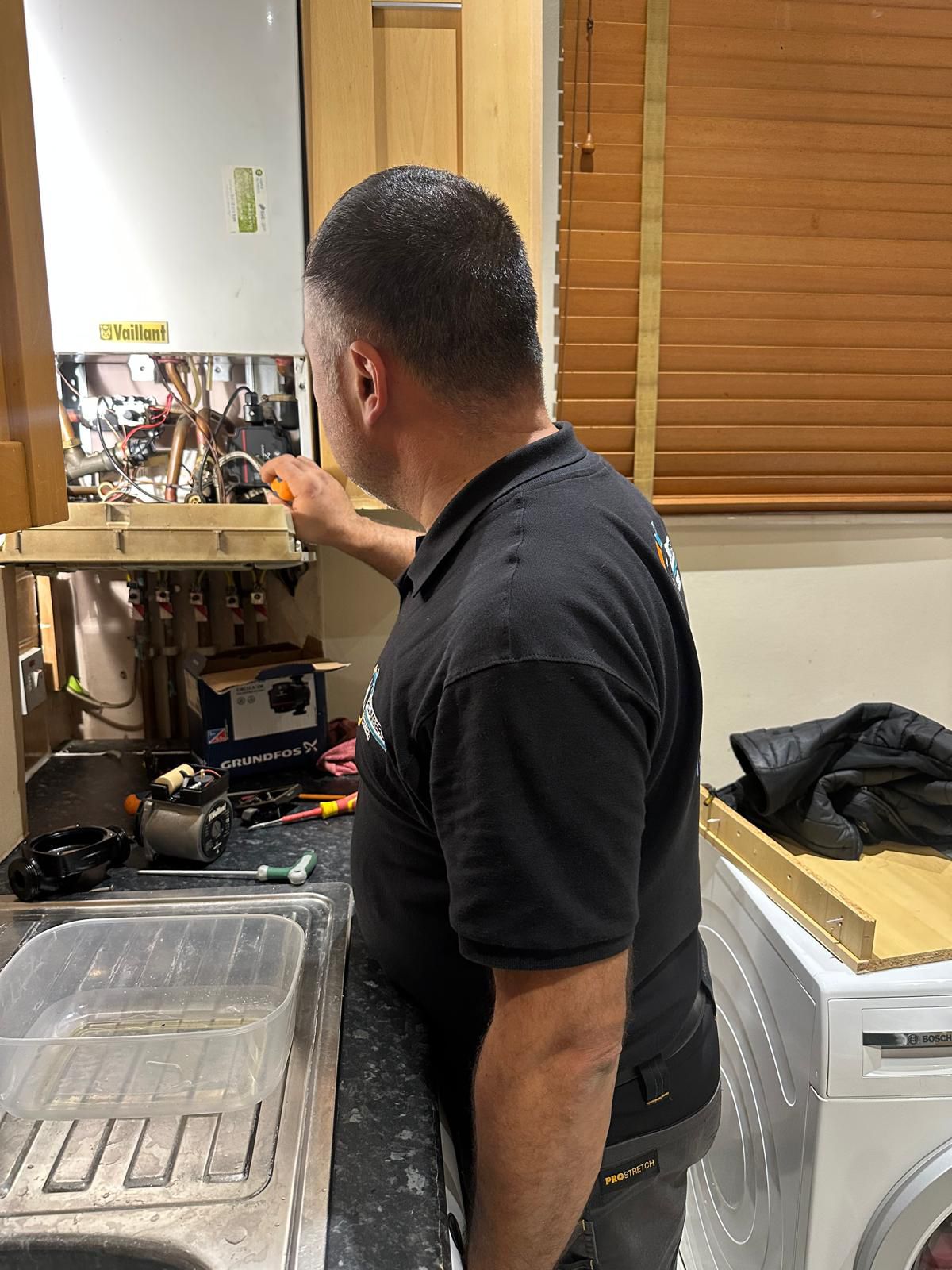
Watching a professional at work might sometimes feel like they are just poking around, but a registered Gas Safe engineer follows a strict, legally mandated script. This isn’t just about dusting off components; it is a systematic hunt for invisible dangers to ensure the appliance meets national safety standards. If your engineer is in and out in ten minutes, they almost certainly haven’t followed the protocols required to validate your warranty or keep your home safe.
The process begins at your gas meter, not the boiler unit itself. The engineer checks the gas pressure to ensure your pipework is completely sealed and delivering the fuel at the right rate. Think of this like a doctor checking blood pressure; if the numbers drop unexpectedly, it indicates a leak or blockage in the system that must be fixed before the appliance is even allowed to run.
Once the pressure is confirmed and the internal cleaning is finished, the most critical safety step involves a handheld digital device called a flue gas analyzer. This tool effectively “tastes” the exhaust fumes leaving your home through the flue pipe. While a healthy flame looks stable and blue to the naked eye, this device detects invisible Carbon Monoxide (CO) levels to guarantee the burner is operating safely.
A full Gas Safe service follows this chronological order:
Completing this entire checklist typically takes about 45 minutes for a standard setup, but the clock changes depending on the specific machinery you have installed. A compact Combi boiler has different servicing needs compared to a system with a separate hot water cylinder, which impacts how long you will need to keep the kettle on for the engineer.
If you own a modern Combi boiler, you are likely looking at the shorter end of the time estimate—usually around 45 to 60 minutes. Because these units generate heating and hot water instantaneously from a single box on the wall, the engineer focuses almost exclusively on that one specific location. There is no need for them to wander into the loft or inspect a separate airing cupboard, which streamlines the safety checks significantly. This compact design makes combi boiler vs conventional system servicing much faster, as the entire inspection remains contained within the kitchen or utility room.
Homes with a System or Regular boiler setup naturally require a longer appointment, usually adding at least 15 to 20 minutes to the clock. In these configurations, the engineer must verify the integrity of external components like the hot water cylinder and the expansion vessel, which are often installed separately from the main boiler unit. Since the professional needs to physically move between rooms to inspect the tank for leaks and check the pump controls, the logistical footprint of the service expands beyond just the main appliance.
The age of your appliance also dictates the specific cleaning tasks required, specifically regarding maintaining condensing boiler performance. Modern condensing boilers—standard in the UK since 2005—contain a “condensate trap” that collects acidic water produced during heating; this trap must be carefully removed, cleaned of sludge, and refilled to prevent blockages that can shut down the system. While older, non-condensing models lack this specific component, they often suffer from heavier carbon buildup in the main burner, meaning the impact of boiler age on service time often balances out between delicate cleaning and heavy scrubbing. However, even the most standard boiler can take twice as long to service if the engineer can’t actually reach it.
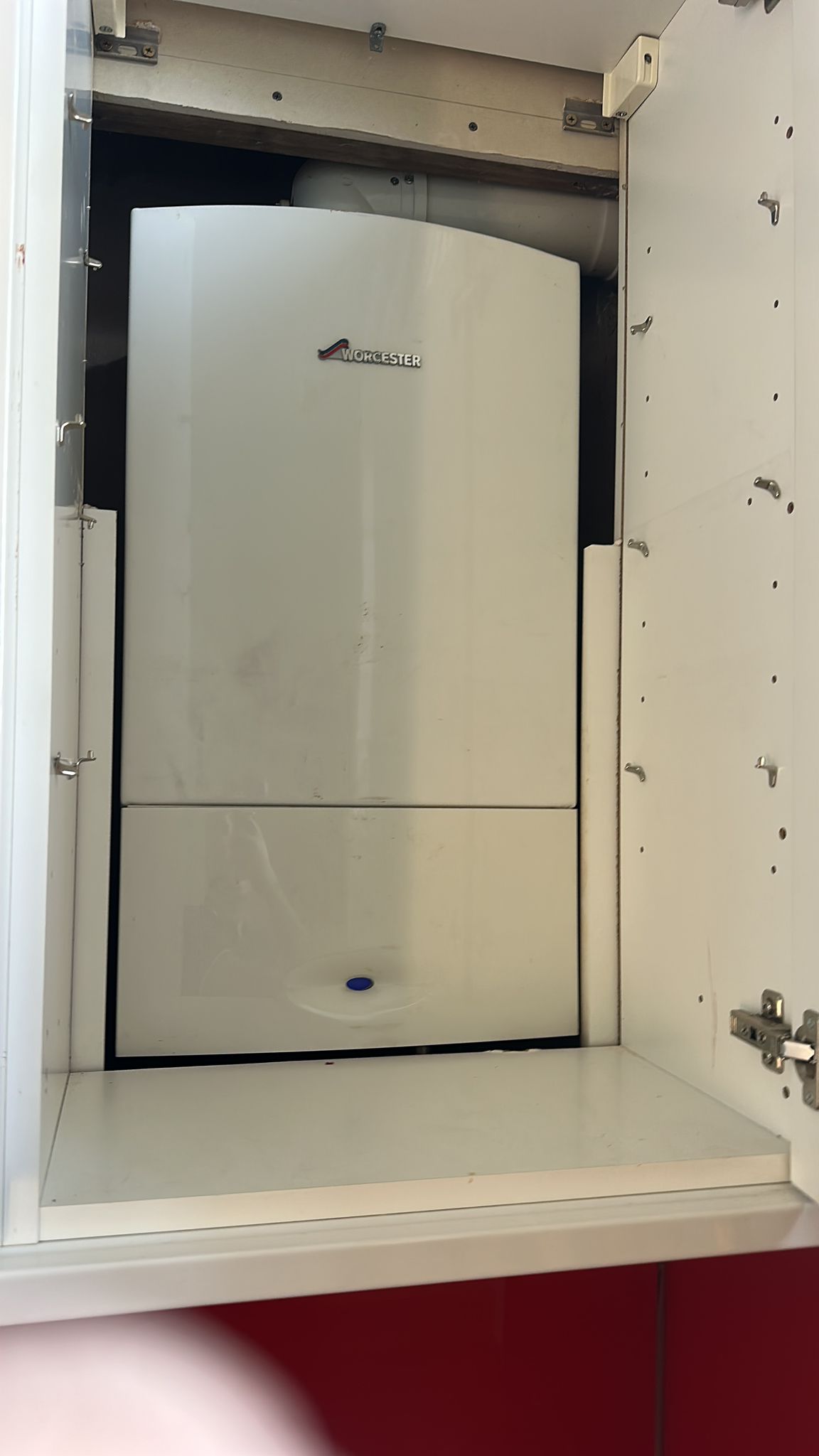
Even the quickest modern unit can’t save time if the engineer spends twenty minutes just trying to reach it. Modern kitchen designs often hide appliances behind sleek cabinetry, but if that boxing isn’t designed with removable panels, a simple inspection becomes a carpentry project. It’s not just about moving the vacuum cleaner; the engineer needs enough leverage to remove the heavy casing and access the internal flue. If they have to unscrew custom joinery or squeeze into a tight crawl space, your estimated appointment slot will inevitably expand.
Hardware condition is the second major variable, particularly for systems over ten years old. Prolonged heat exposure often causes casing screws to seize, and the heat exchanger—the component that actually transfers warmth to your water—may require delicate, time-consuming scrubbing to clear hardened debris. This is the stage where the line between maintenance and fixing faults blurs; if the engineer discovers a corroded seal or a small water leak while cleaning, the job shifts from a routine check to an emergency boiler repair. Finding a fault effectively stops the maintenance clock and begins a new conversation about replacing parts.
To ensure the engineer spends their time optimizing your heating rather than fighting your furniture, watch for these common reasons for boiler service delays that typically add at least 15 minutes:
Once you know what physically slows the process down, you can take simple steps to ensure the engineer starts working the moment they arrive.
You can reclaim that lost time before the doorbell even rings by preparing a “clean zone” for the technician. A professional needs roughly one meter of cleared floor space directly in front of the unit to lay out tools, run safety analyzers, and safely dismantle the heavy casing. While it might seem trivial to move a few winter coats or the ironing board, having this area ready means the technician can immediately focus on the internal components rather than obstacle negotiation.
Beyond simply saving minutes, this focused attention directly impacts your wallet. Over time, burning gas creates carbon deposits that clog the internal jets, forcing the system to work harder to reach the same temperature. A proper service includes stripping and cleaning these parts, and the resulting energy efficiency benefits of boiler tuning often appear as a noticeable drop in your monthly consumption. Think of it as removing a blockage from a straw; once cleared, the fuel flows and burns with less effort, ensuring you aren’t paying for wasted heat.
Finally, have your paperwork ready on the kitchen table, specifically the logbook that validates your boiler warranty terms and conditions compliance. Manufacturers are strict about this documentation; if a major part fails next winter, they will demand proof of annual maintenance before covering the repair costs. When you look at how to book a local heating engineer, always ask if they are authorized to sign off on your specific brand’s warranty log, ensuring your administrative safety is just as secure as your physical safety.
You can now plan your day with confidence, knowing that a 30 to 90-minute window is the standard for quality. You are no longer just guessing when the engineer might finish; you understand that this specific timeframe allows for a necessary deep dive into your system’s health. If a visit feels too short, you now have the knowledge to ask why, ensuring you never pay full price for a “quick look” that cuts corners on safety.
For a smooth experience, follow this simple Homeowner Action Plan:
Ultimately, prioritizing annual boiler maintenance is about more than just keeping the radiators hot or satisfying a warranty clause. It is your primary defense for preventing carbon monoxide poisoning risks and ensuring efficiency. By booking a qualified professional and giving them the space to work thoroughly, you aren’t just maintaining an appliance—you are securing peace of mind for everyone under your roof.
When the famous British winter begins to bite and the temperature drops across the capital, a reliable heating system is your home’s most valuable...
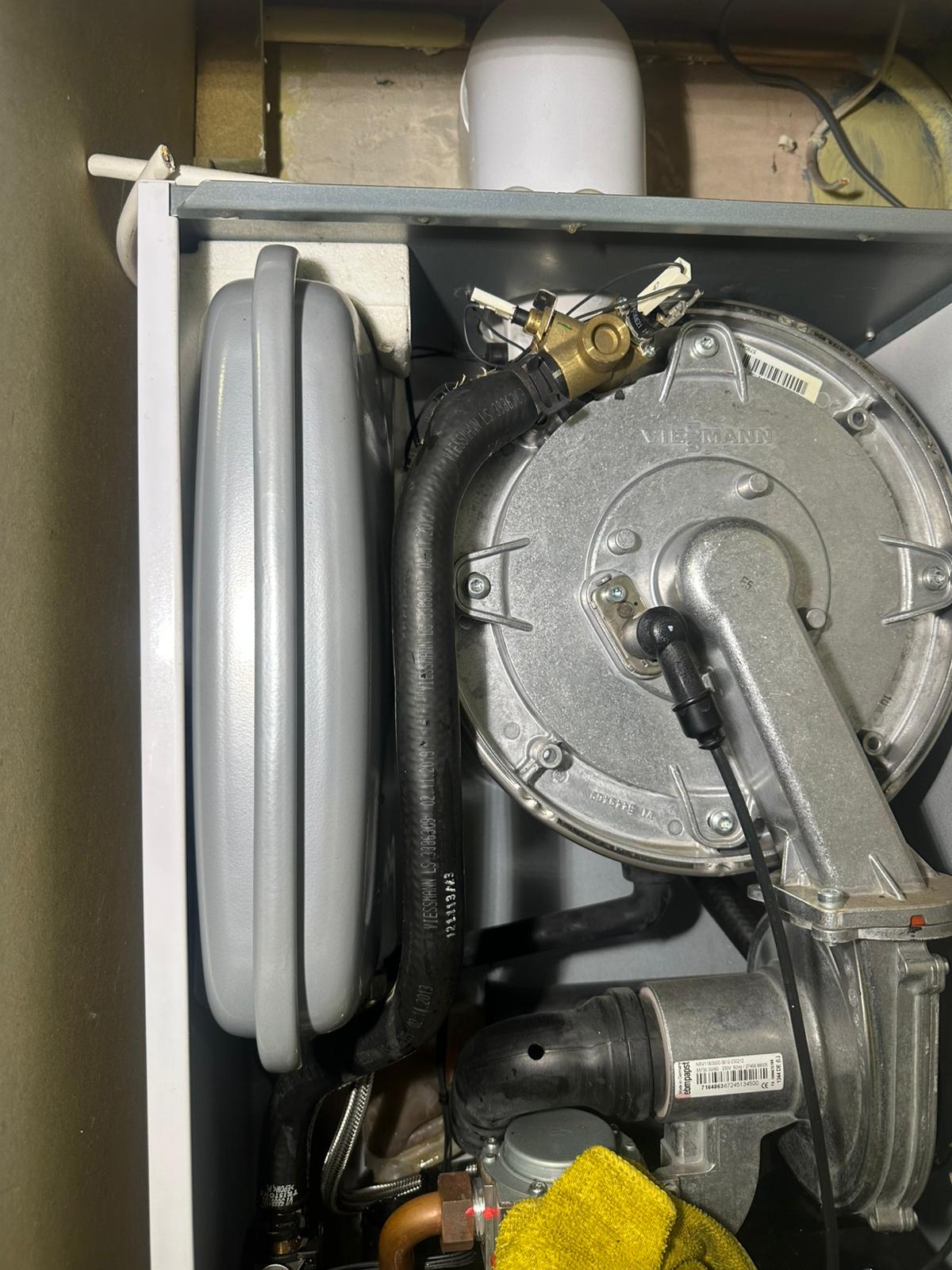
Picture a winter power cut: the lights go dark, and suddenly your radiators turn freezing cold even though the gas lines remain fully pressurised....
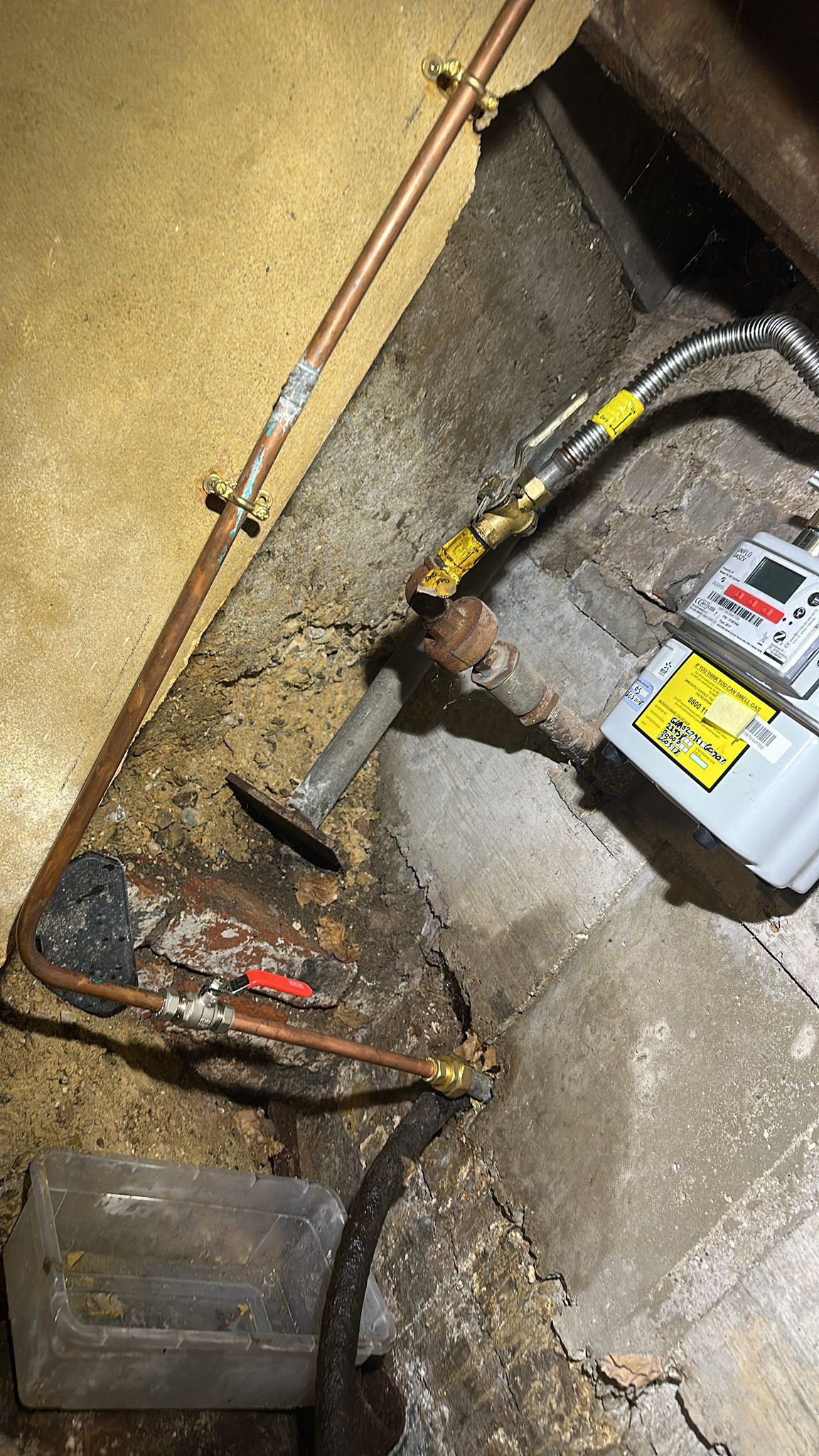
A leaking overflow pipe might seem like a minor issue. However, it can signal deeper plumbing problems. Overflow pipes are crucial for preventing water...