July 2, 2026

A blocked toilet in London can be a real hassle. It disrupts daily routines and can lead to bigger issues. Knowing what to do...
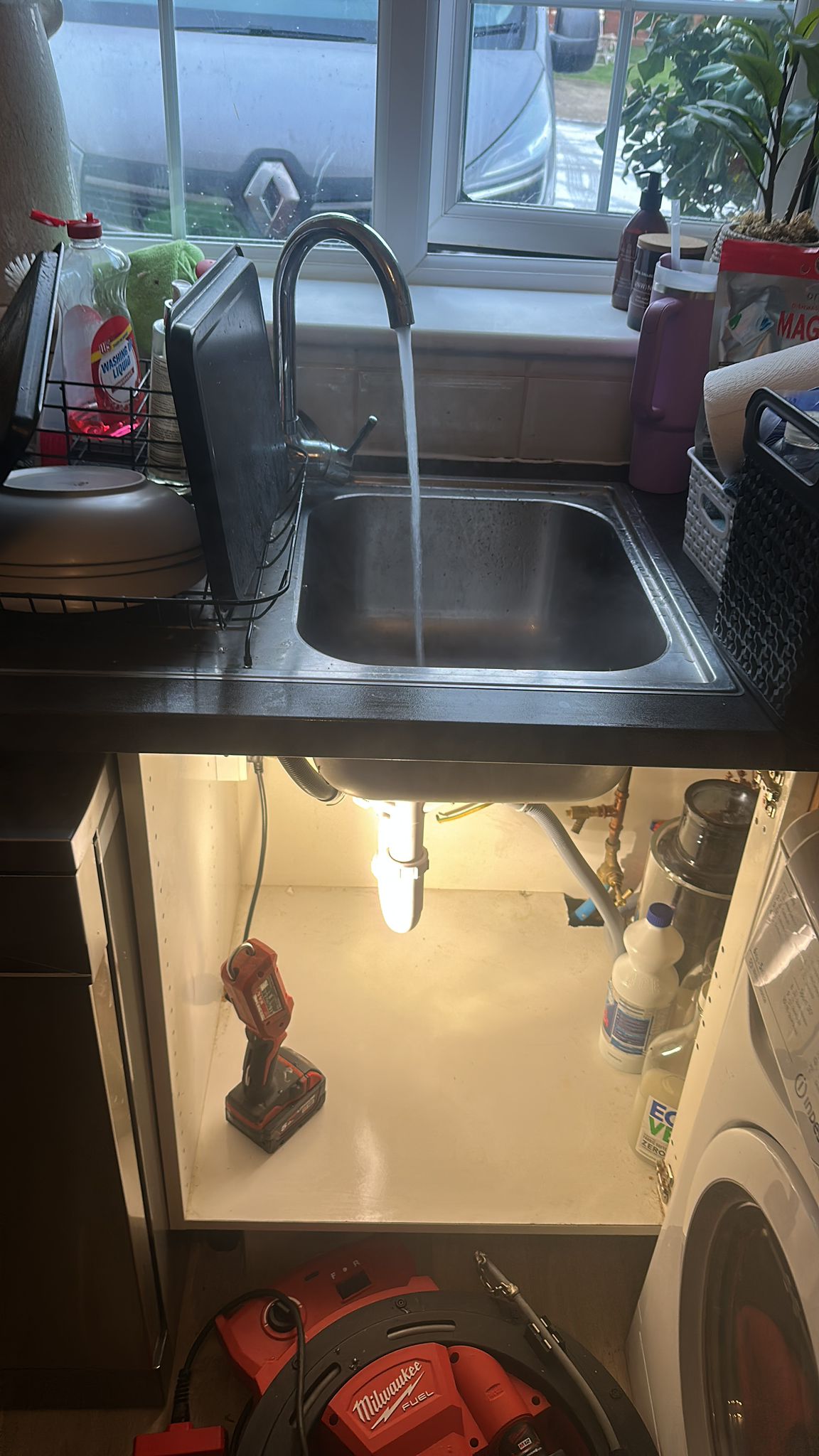
Few things disrupt the rhythm of a busy day quite like a blocked sink. Whether you are rushing to get ready for work in your flat or managing a bustling restaurant kitchen, standing water and foul odours are a quick recipe for frustration. Dealing with a blocked sink in London comes with its own unique set of challenges—from the city’s notoriously hard water to the complex, ageing network of Victorian pipes hidden beneath our streets.
If you are staring down a stubborn plughole, you are not alone. This comprehensive guide covers everything you need to know about tackling drainage issues, from simple at-home fixes and sink clog removal to knowing exactly when it is time to call in the professionals. In short, it explains “Blocked sink in London: causes, fixes, and when to call a plumber” with practical, local advice.

Understanding what is causing your drainage issue is the first step toward fixing it. In the capital, several culprits frequently lead to domestic plumbing emergencies.
If you need to unblock kitchen sink drains, the offender is usually a combination of food scraps, coffee grounds, and cooking oils. When warm fats are poured down the plughole, they cool and solidify in the pipes. Over time, this traps other debris, creating a solid mass. Clearing a kitchen sink fatberg—even a miniature domestic one—can be incredibly difficult once it has hardened, which is why prevention and proper food waste disposal are crucial.
London is famous for its hard water, which contains high levels of calcium and magnesium. While safe to drink, it wreaks havoc on your plumbing. Preventing lime scale buildup in London pipes is an ongoing battle for most residents. As limescale accumulates inside your pipes, it narrows the channel for water to pass through, making it much easier for minor bits of debris to catch and cause a full blockage.
Have you ever walked into your bathroom and wondered, “why is my bathroom sink drain smelling like eggs?” This unpleasant sulphurous odour is usually caused by a buildup of hair, toothpaste, soap scum, and skin cells. Bacteria feed on this organic matter, releasing hydrogen sulphide gas. It is a clear sign that a blockage is forming just below the surface.
Before searching for a blocked sink plumber London, there are a few highly effective, non-invasive methods you can try yourself.

For minor blockages, ditch the harsh chemicals and look to your cupboards. There are brilliant DIY home remedies for slow draining sinks that are safe for your pipes and the environment.
A plunger is a homeowner’s best friend, but many people use it incorrectly. Learning how to use a sink plunger correctly can save you a callout fee.
When basic methods fail, you might face the age-old debate: drain snake vs chemical cleaner. Chemical cleaners are widely available and can dissolve organic matter, but they are highly toxic and can actually erode older pipes if used excessively. A drain snake (or plumber’s auger), on the other hand, physically breaks up the clog or pulls out the trapped hair. For long-term pipe health, the manual snake is almost always the safer, more effective choice.
If you have tried plunging and snaking to no avail, the blockage is likely deep within the drainage system. This is where professional drain cleaning London becomes essential.
When you hire an expert for blocked sink repair, they will assess the severity of the clog. Professionals typically choose between high pressure water jetting vs manual rodding.

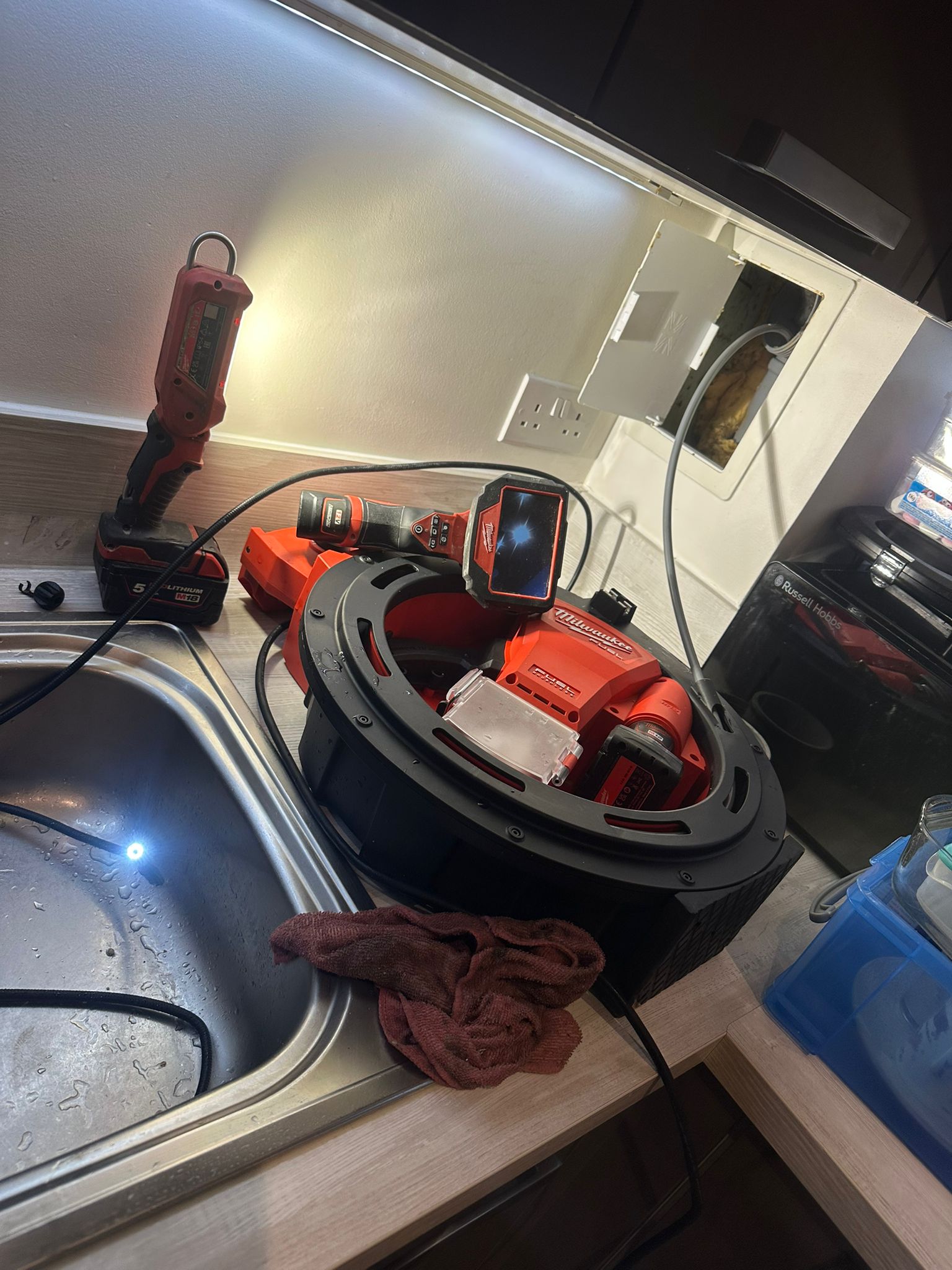
Sometimes, the issue isn’t in your sink at all, but rather in the exterior drainage system. Leaves, mud, and tree roots can invade exterior pipes. Professionals have access to the best outdoor drain cleaning tools, such as motorised augers and CCTV drain cameras.
A recurring blocked sink might even point to severe structural damage. Look out for the signs of a collapsed drainage pipe, which include persistent foul smells, damp patches on your walls or floors, sinkholes in your garden, and multiple slow drains across the house. A collapsed pipe is a major issue that requires immediate professional excavation and repair.
Before you panic about excavation costs, it is vital to know where your responsibility ends. Many Londoners are confused about Thames Water responsibility for blocked drains. By law, you are responsible for the drains inside the boundary of your property up until they connect to the communal sewer. If the blockage or collapse is located on the shared sewer network—even if it is beneath your garden—Thames Water is typically responsible for clearing and fixing it.
London never sleeps, and neither do its plumbing issues. The demands on commercial properties and the need for rapid responses require specialised services.
For pubs, cafes, and restaurants operating in the capital, a blocked drain is a critical health and safety hazard. Establishments are subject to strict commercial grease trap maintenance requirements. Failure to regularly clean and empty grease traps not only leads to catastrophic blockages and horrible odours but can also result in hefty fines from local London councils for polluting the main sewer network. Routine commercial maintenance is non-negotiable.
A severely blocked sink can rapidly turn into an overflowing sink, causing expensive water damage to floors and ceilings. For blocked sink London emergencies, choose providers that offer rapid response across the city. When this happens, you need an expert, fast. Reputable companies offer emergency drain unblocking services London wide.
If you are dealing with a flooded kitchen at 2 AM, you need to know about 24 hour emergency plumber response times. The best emergency services aim to be at your London property within 60 to 90 minutes. When calling, always ask for an estimated time of arrival so you can mitigate water damage while you wait.
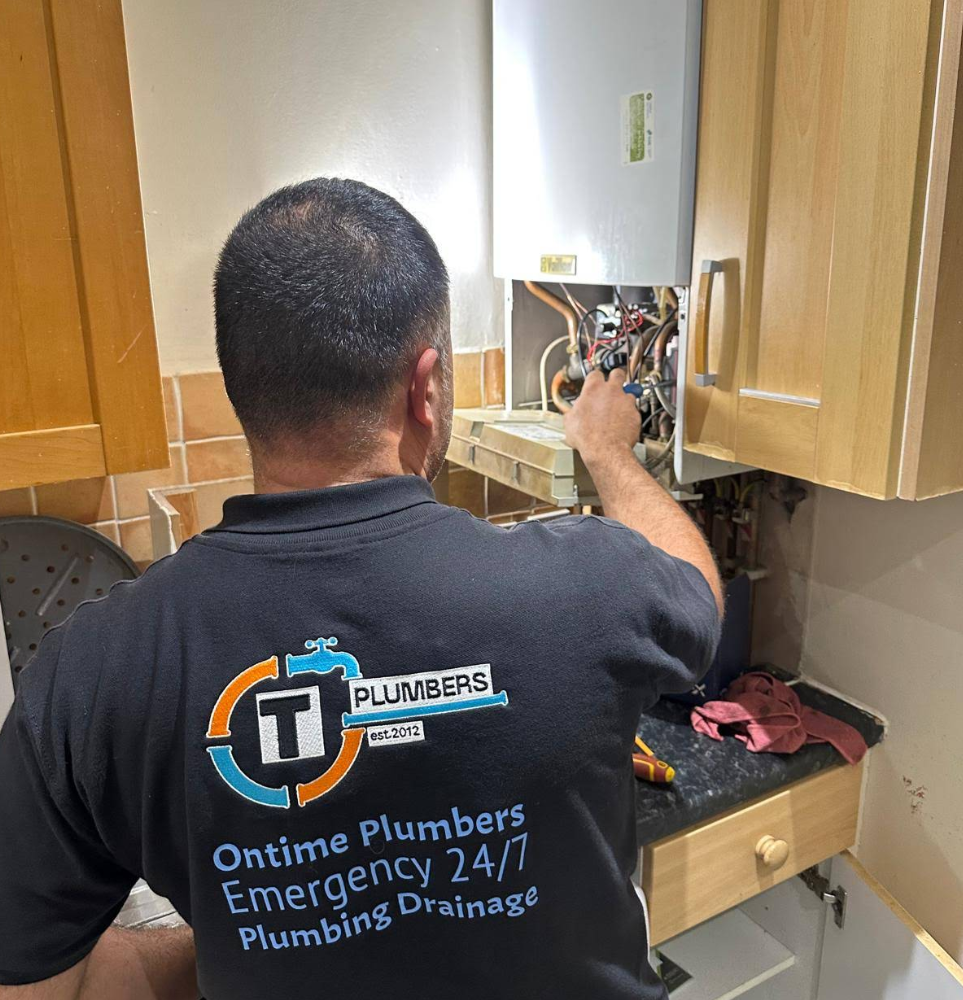
Navigating the bustling market of london plumbing services can be overwhelming. You want someone trustworthy, skilled, and reasonably priced.
When searching for a Plumber in london, do not just pick the first name that appears on a search engine. Finding a certified London drainage engineer ensures that the tradesperson has the proper training, insurance, and equipment to handle complex blockages rather than just offering temporary fixes.
Look for companies with stellar local reviews, transparent pricing, and guarantees on their work. Many Londoners trust established names like OnTime Plumbers, who are known for their reliability and expertise in handling tricky, recurring blockages. Whether you need standard blocked sink clearing london or complex structural pipe repairs, ensuring your plumber is fully qualified will save you time and money in the long run.
One of the most common questions homeowners ask is, “how much does it cost to unblock a sink?”
The answer largely depends on the severity of the blockage. A straightforward manual unblocking using a plunger or a basic snake by a blocked sink plumber london usually starts from around £70 to £120. However, if the issue requires high-pressure water jetting, CCTV surveys, or out-of-hours emergency attendance, the cost will naturally increase.
When booking blocked sink services london, always ask for a clear breakdown of costs. A reputable company will provide transparent rates—often charging a fixed fee or an hourly rate without hidden call-out charges.
A blocked sink in London is a nuisance, but it doesn’t have to be a nightmare. By being mindful of what goes down your plughole, managing limescale, and utilising basic DIY techniques, you can keep your pipes flowing freely.
However, when natural remedies and plunging fail to shift the water, it is time to step back. Attempting to force a stubborn blockage can damage your pipework and lead to costly leaks. Whether you need routine maintenance or urgent help, knowing how to choose the right professional ensures your home remains clean, safe, and hygienic. Don’t let a slow drain ruin your week—tackle it early, and if in doubt, call in a certified London expert to get the job done right.
Question: What are the most common causes of a blocked sink in London?
Short answer: In London, kitchen sinks often block due to fats, oils, food scraps, and coffee grounds forming “mini fatbergs” that trap debris as they harden. The city’s hard water also leaves limescale in pipes, narrowing the passage and making clogs more likely. In bathrooms, hair, toothpaste, soap scum, and skin cells feed bacteria that release hydrogen sulphide—hence the “rotten egg” smell—signalling a forming blockage. Recurring issues can also stem from outdoor problems like leaves, mud, or tree roots, or even structural damage in older pipework.
Question: How can I safely unblock my sink at home without damaging the pipes?
Short answer: Start with gentle methods. Try pouring a kettle of boiling water down the drain in stages to melt minor grease. Use half a cup of bicarbonate of soda followed by half a cup of white vinegar; cover for 15 minutes, then flush hot water. If plunging, block the overflow with a wet cloth, ensure the plunger cup is submerged to form a seal, plunge straight up and down for ~20 seconds, then flush and repeat if needed. If that fails, use a drain snake to break up or pull out the clog. Avoid harsh chemical cleaners—they’re toxic and can erode older pipes—making a manual snake the safer long-term choice.
Question: When should I stop DIY attempts and call a professional?
Short answer: If boiling water, the bicarb-and-vinegar method, proper plunging, and a drain snake don’t restore normal flow, the blockage is likely deeper in the system and needs professional attention. Call right away if you see multiple slow drains, persistent foul odours, damp patches, garden sinkholes, or repeated backups—these can signal serious structural issues like a collapsed pipe. For overflows or flooding, use 24-hour emergency services; reputable London providers aim to arrive within 60–90 minutes—ask for an ETA to help limit water damage.
Question: What will a professional do to clear the blockage, and how much might it cost?
Short answer: Engineers assess the severity and typically use manual rodding (flexible steel rods to punch through clogs) or high‑pressure water jetting (to blast away grease, scale, and fatbergs and clean pipe walls). For outdoor or persistent issues, they may use motorised augers and CCTV drain cameras to locate and diagnose problems. Basic unblocking with manual tools generally starts around £70–£120, with higher costs for jetting, CCTV surveys, or out‑of‑hours emergencies. Choose a certified London drainage engineer with strong local reviews, transparent pricing, and work guarantees; ask for a clear cost breakdown (fixed fee or hourly) with no hidden call‑out charges.
Question: Who is responsible for fixing a blocked drain—me or Thames Water?
Short answer: You’re responsible for drains within your property boundary up to the point they connect to the communal sewer. If the blockage or a collapse is on the shared sewer network—even if it runs beneath your garden—Thames Water is typically responsible for clearing and repairs. If in doubt, a professional can help identify where the issue lies.
A blocked toilet in London can be a real hassle. It disrupts daily routines and can lead to bigger issues. Knowing what to do...
Finding a reliable plumber in London can be a daunting task. With so many options, how do you choose the right one? Customer reviews...
Running a successful enterprise in the capital requires more than just a great product or service; it demands a solid, reliable infrastructure. From bustling...