July 1, 2026

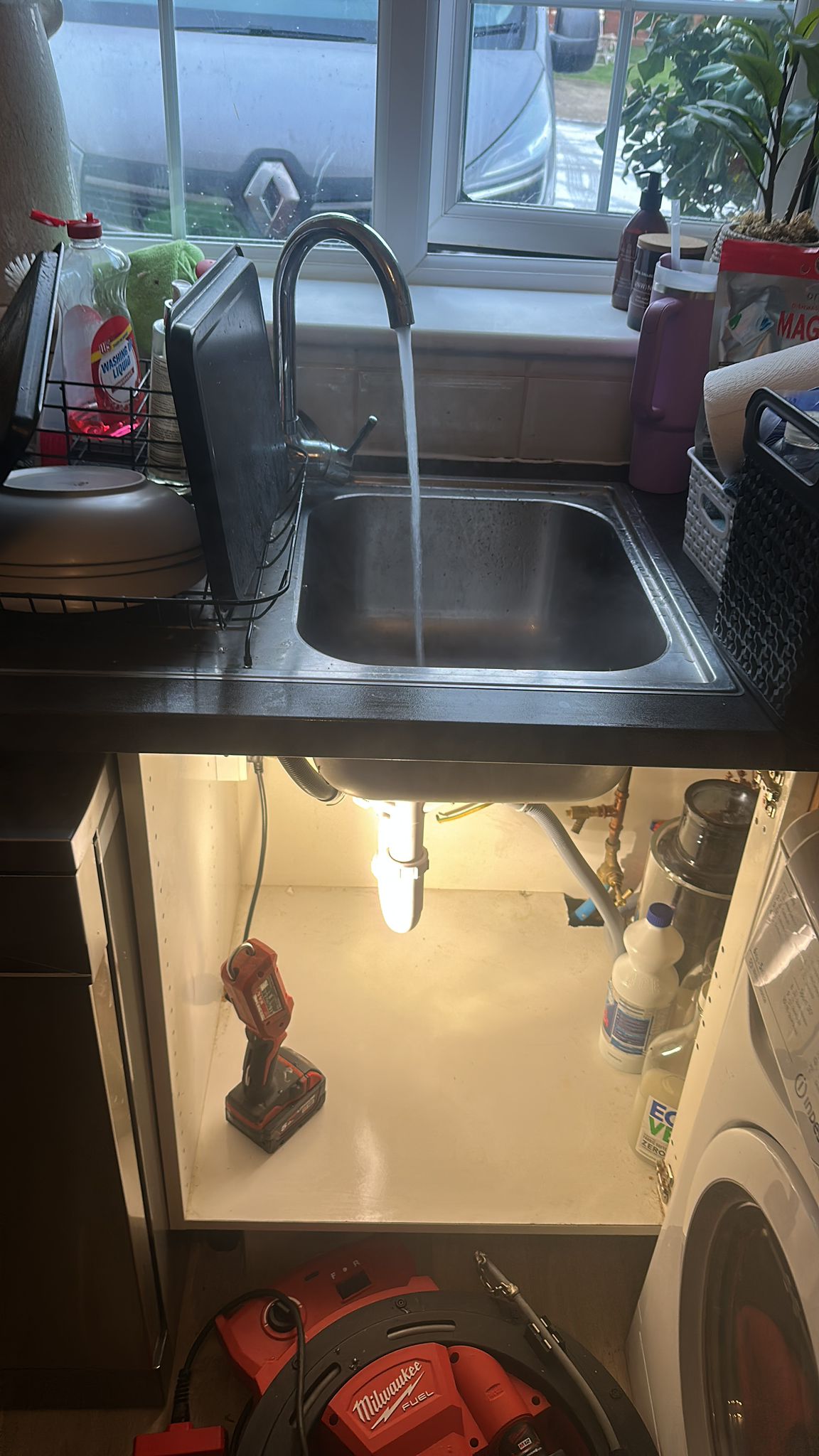
Few things disrupt the rhythm of a busy day quite like a blocked sink. Whether you are rushing to get ready for work in...
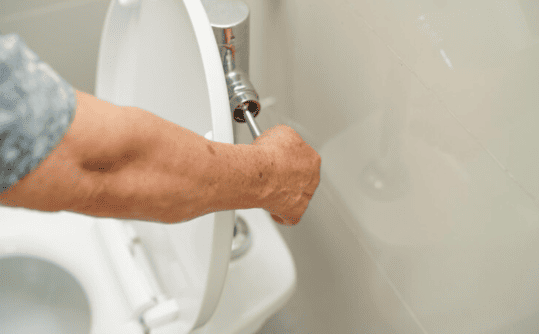
A blocked toilet in London can be a real hassle. It disrupts daily routines and can lead to bigger issues. Knowing what to do and what to avoid is crucial. If you’re searching for clogged toilet solutions or quick blocked toilet help, this guide to ‘Blocked Toilet in London: What You Should and Shouldn’t Do’ summarises the essentials for homes across the capital.
This guide will help you navigate the problem with ease. We’ll cover practical steps and common mistakes.
You’ll learn when to tackle the issue yourself and when to call in the professionals.
Understanding the signs of a blockage can save you time and stress.
With the right approach, you can prevent future blockages and maintain a smoothly running home.
Recognising a blocked toilet early can prevent more serious issues. One common sign is slow draining. If water rises too high when flushed, it indicates a blockage.
Listen for unusual sounds. Gurgling noises often mean air trapped in the pipes. These toilet drain issues suggest a blockage further down the line.
Unpleasant odours are also a red flag. They can indicate trapped waste starting to decompose. Immediate action is recommended to avoid further problems.
Here’s a quick checklist to identify blockage signs:
Prompt recognition of these signs can help you tackle the issue efficiently. Ignoring them might lead to an overflow or more severe plumbing issues. Being vigilant is your first line of defence against toilet blockages.
Blocked toilets in London are often due to inappropriate items being flushed. Many think that toilets can handle more than they actually can. Flushing wipes, sanitary products, or excessive toilet paper can easily cause clogs.
Pipes in older London properties may also contribute to blockages. Narrow pipes or damaged plumbing can create frequent problems. Homeowners should be aware of their property’s plumbing age and condition.
In central London, the density of use can exacerbate minor issues into major clogs. High usage without adequate maintenance may lead to rapid blockages. In busy districts, a blocked toilet in central London or a blocked toilet in the City of London can arise quickly during peak use.
To summarise, major causes of blocked toilets include:
Understanding these common causes can help prevent future occurrences. Proper toilet use and regular maintenance can reduce the risk of blockages significantly.
If you encounter a blocked toilet, don’t panic. Stay calm and assess the situation. Initial steps can often alleviate the issue quickly.
Start by using a plunger. This is usually the first and most effective tool. Create a good seal and gently plunge to dislodge the blockage.
If plunging doesn’t work, try using hot water and washing-up liquid. Pour the hot water gently to avoid splashing. This method can sometimes help to break down minor blockages.
Consider using a plumbing snake or auger for deeper blockages.
This tool helps reach clogs beyond the toilet bowl. Insert it carefully to avoid damaging the porcelain.
Make sure to check for leaks around the base of the toilet. This might indicate damage or overflow issues. Addressing these signs early can prevent further problems.

Adopting these steps can often resolve simple blockages effectively. However, persistent issues may require professional help. If you prefer professional toilet unblocking london, a qualified plumber in london can complete the job safely and prevent damage.
When dealing with a blocked toilet, there are certain actions to avoid. These mistakes can worsen the situation or lead to further problems.
Avoid flushing repeatedly to clear a blockage. This can cause overflow, leading to water damage. It’s essential to stop water flow if the water level rises.
Do not use excessive force when plunging. This can damage the toilet and intensify the blockage. Gentle, consistent pressure is more effective.
Refrain from using chemical drain cleaners. These products might harm your pipes, resulting in costly repairs. They can also exacerbate existing blockages.
Don’t dismantle the toilet without proper knowledge. Taking apart components without understanding can lead to bigger issues. Always call a plumber if you are unsure.
Staying aware of these mistakes can save time and prevent further damage. If the situation looks like a plumbing emergency london, stop and seek professional assistance immediately.
If you’ve noticed a slow drain or slight blockage, DIY solutions might help. These methods can tackle minor blockages effectively and quickly.
One popular DIY fix involves using a plunger. Ensure there’s enough water in the bowl to cover the plunger cup.
A secure seal will provide optimal plunging pressure.
Hot water paired with washing-up liquid can also work wonders. Pour hot, but not boiling, water into the toilet bowl. Add a few tablespoons of washing-up liquid, then wait about 15 minutes for it to break down the blockage.
A plumbing snake is another handy tool for deeper blockages. Insert the snake into the drain and twist until you feel resistance. Gently work the snake through the blockage.

Remember, these solutions work best for minor blockages. If problems persist, calling a professional is advisable. It’s essential to know when to step back and contact an expert.
Understanding when to call a professional can save you time and prevent damage. Persistent toilet blockages often signal deeper plumbing issues that require expert attention.
If you’ve tried basic solutions and the blockage remains, it’s time to consult a plumber. Continuous blockages might indicate a problem beyond your reach, like issues with the main sewer line.
Water rising dangerously high during flushing or unpleasant odours can also hint at more severe problems. These scenarios benefit from professional tools and expertise.
Consider professional help if you’re unsure about the severity of the blockage. For fast advice, london plumbing services offer skilled guidance and emergency toilet repair to efficiently tackle complex issues.
In these situations, a professional plumber’s assessment can provide peace of mind and ensure the plumbing’s longevity. They possess the skills and equipment necessary for thorough and lasting results.
Blocked toilet clearing services in London are equipped to handle diverse plumbing challenges. Reputable blocked toilet clearing services london bring specialised tools and trained engineers for efficient results.
These experts have access to specialised tools that ensure efficient results.
When you contact a service, expect a prompt response. Many providers offer same-day visits to address urgent plumbing issues. They begin with a comprehensive inspection to identify the root cause of the blockage.
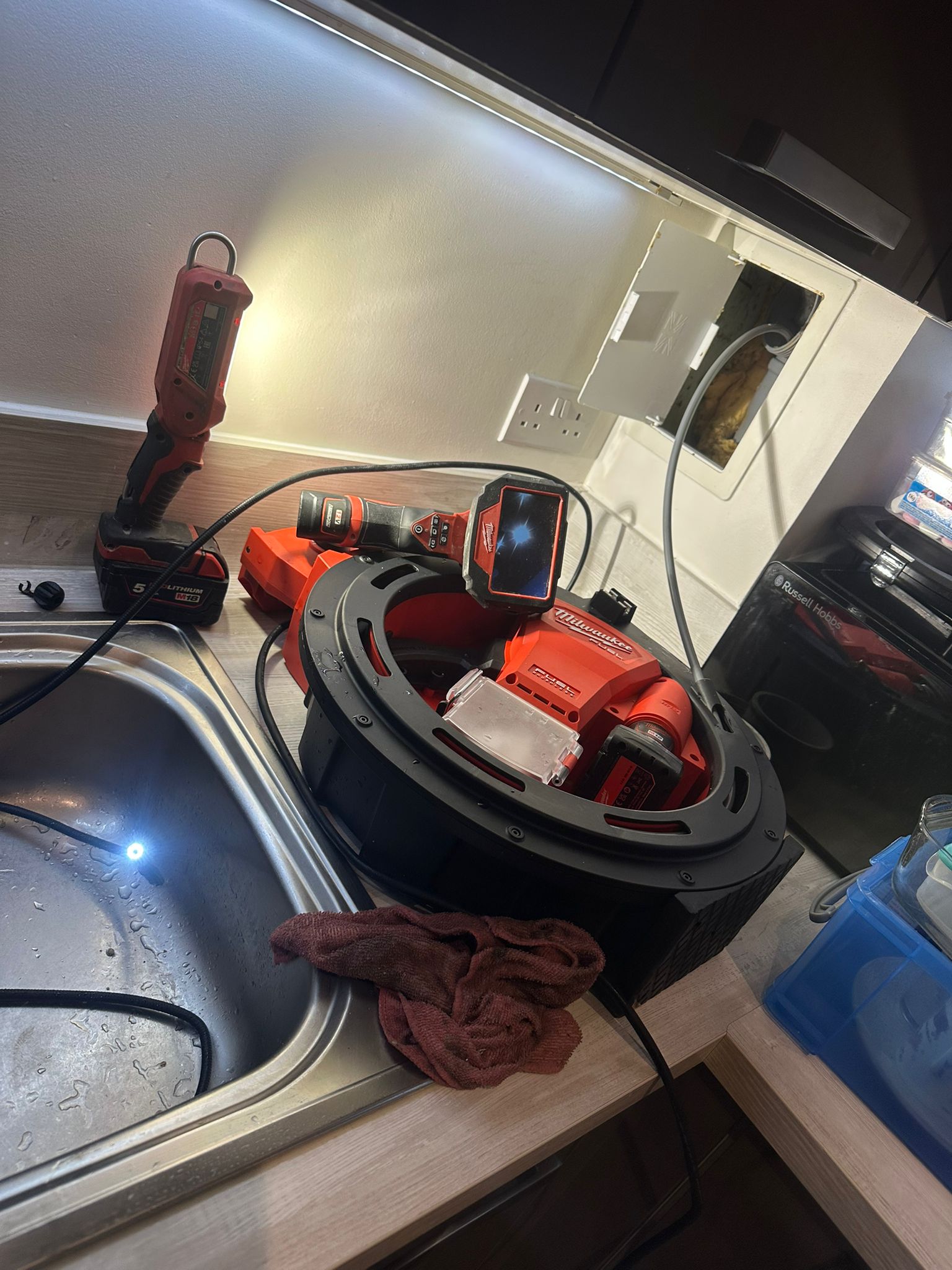
Professionals use advanced techniques like high-pressure jetting and plumbing rods to clear stubborn clogs. Their experience means they can handle everything from minor to severe blockages without causing additional damage.
Communication is key throughout the process. Professionals will explain their findings and suggest preventive measures. This approach not only resolves current issues but also helps prevent future blockages.
Choosing a reliable plumbing service ensures that your blocked toilet issues are addressed expertly and efficiently. Their work restores normality, reducing the stress related to plumbing problems.
In a plumbing emergency, swift action can prevent extensive damage. The first step is to stop the water flow by shutting off the toilet’s water valve. This step helps to avoid overflow and reduces the risk of water damage to your property.
Next, assess the situation to see if it’s a straightforward issue or something more serious. If water is still rising or leaking occurs, it’s time to call a professional plumber immediately. Keeping an emergency plumber’s number handy can save crucial time and stress.
Here’s a quick checklist for plumbing emergencies:
Taking these steps can mitigate potential damage, ensuring that your toilet and surrounding areas remain safe and operational. Professional plumbers in London offer 24/7 emergency services, ready to handle urgent toilet repairs swiftly.
Prevention is key to avoiding repeat toilet blockages. Adopt good habits to keep your drains clear and functional. Simple changes can make a big difference in your plumbing’s reliability.
Be mindful of what goes into the toilet. Items like wipes, sanitary products, and excessive toilet paper should be thrown in the bin. These can create blockages and lead to costly repairs.
Here are a few tips to prevent future blockages:
By following these precautions, you can maintain a blockage-free toilet and ensure a smoothly running plumbing system in your home.
Selecting a reliable service for clearing blocked toilets in London ensures long-term satisfaction. Look for blocked toilet services london that publish clear pricing and offer coverage in your area.
A quality service will prevent further complications and damage. Look for companies with a strong reputation and proven expertise, including well-reviewed teams such as OnTime Plumbers.
Consider the following factors when choosing a service:
It’s important to choose a service that meets your specific needs. Whether you have frequent blockages or a single incident, the right professionals can offer peace of mind. Many providers list coverage areas like blocked toilet north london and blocked toilet east london, so check locality before you book. Take time to evaluate your options and make an informed decision.
Dealing with a blocked toilet in London doesn’t have to be stressful. With prompt attention and the right strategies, you can keep your plumbing system running smoothly. Remember, whether you tackle minor issues yourself or call in professionals, swift action is key.
Choosing professional services not only resolves current problems but prevents future ones. Whether it’s a one-off blocked toilet london or a recurring issue, trusted experts restore normality quickly and safely. Keep your plumbing in top shape and say goodbye to unnecessary disruptions.
Question: How can I tell if my toilet is blocked?
Short answer: Early signs include slow-draining water, the water level rising higher than usual after a flush, gurgling noises (air trapped in pipes), and persistent unpleasant odours from the bowl or drain. Spotting these indicators early helps you act before an overflow or more serious plumbing issue develops.
Question: What are the most common causes of blocked toilets in London?
Short answer: The main culprits are flushing non-degradable items (like wipes and sanitary products), using excessive toilet paper, and issues linked to older or narrow pipework common in many London properties. High usage in busy households or multi-occupancy buildings can also turn minor issues into rapid blockages without regular maintenance.
Question: What should I do first to clear a minor blockage?
Short answer: Stay calm and stop flushing. If the water level is rising, shut off the toilet’s water valve to prevent overflow. Then try a plunger with a good seal and steady, gentle plunges. If that fails, pour hot (not boiling) water with washing-up liquid into the bowl and let it sit, or use a plumbing snake/auger carefully to reach deeper clogs. Check around the toilet base for leaks as you work.
Question: What mistakes should I avoid when dealing with a blocked toilet?
Short answer: Don’t keep flushing, as it can cause overflow and water damage. Avoid excessive plunging force that could damage the toilet. Skip chemical drain cleaners—they can harm pipes and worsen blockages. And don’t dismantle the toilet unless you know what you’re doing; call a plumber if you’re unsure.
Question: When should I call a professional plumber in London, and what can I expect?
Short answer: If basic DIY steps don’t clear the blockage, the water rises dangerously, foul odours persist, or you suspect a deeper issue (like the main sewer line), call a professional—especially for emergencies. Reputable London services typically offer prompt or same-day visits, start with a thorough inspection, and use advanced methods (e.g., high-pressure jetting or rods). They’ll explain findings, fix the issue safely, and advise on preventing future blockages.
Few things disrupt the rhythm of a busy day quite like a blocked sink. Whether you are rushing to get ready for work in...
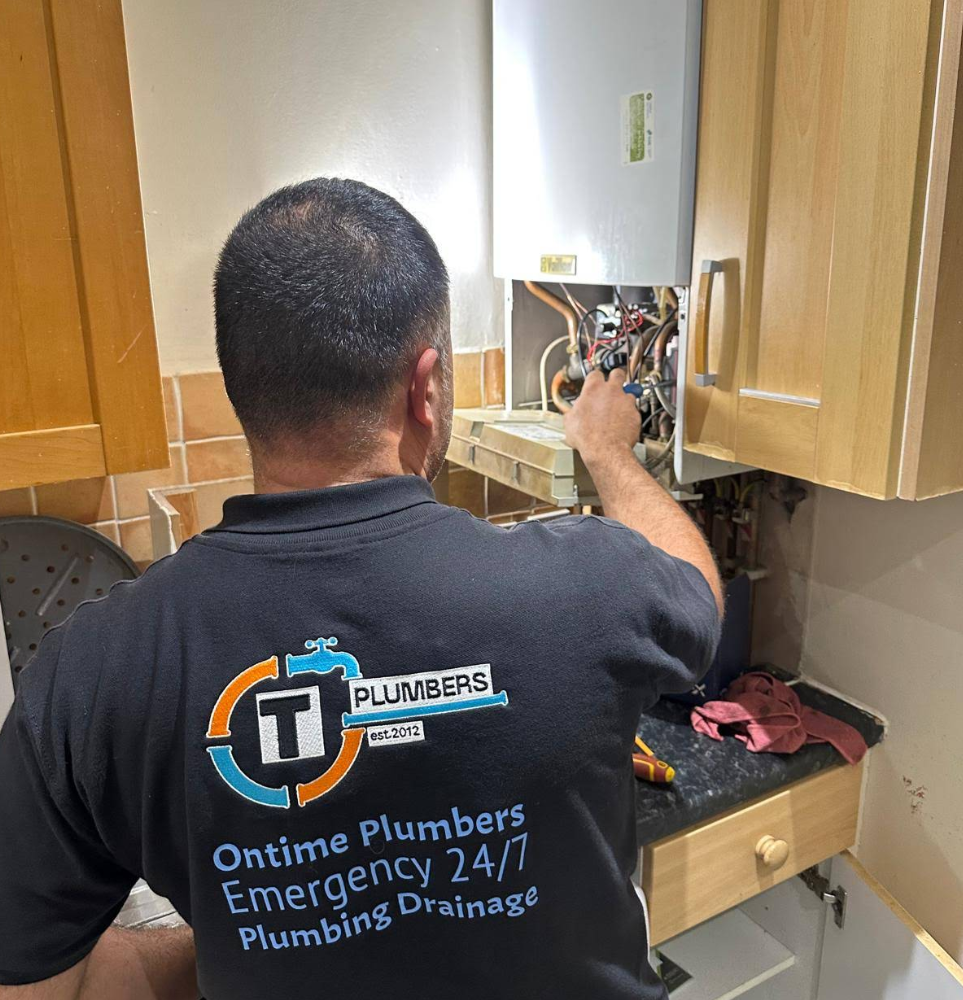
Finding a reliable plumber in London can be a daunting task. With so many options, how do you choose the right one? Customer reviews...
Running a successful enterprise in the capital requires more than just a great product or service; it demands a solid, reliable infrastructure. From bustling...