June 16, 2026

Deciding whether to repair or replace a boiler can be challenging. Homeowners often face this dilemma when their heating system starts showing signs of...

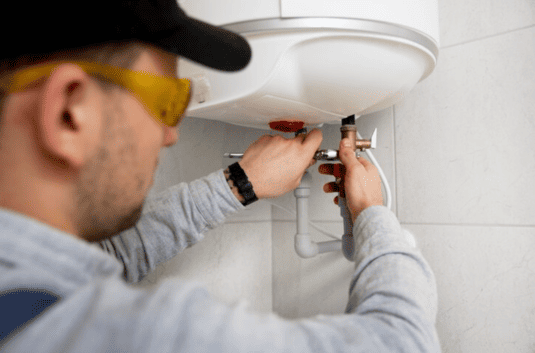
It’s 6:00 AM, your house feels like an icebox, and the shower is running completely cold. While panic is a natural reaction to a morning heating failure, knowing exactly what to do when a boiler stops working can save you a premium call-out fee and help you decide whether you truly need an urgent boiler repair. Industry data reveals that a surprising number of breakdowns are actually minor glitches you can safely resolve yourself.
This guide helps you quickly distinguish a simple boiler glitch from a genuine gas or carbon monoxide hazard, outlining immediate safety checks and easy DIY fixes for low pressure and frozen condensate pipes. It explains what noises and fault codes mean, how to verify a legitimate Gas Safe engineer, and what costs to expect for emergency call-outs in London. You’ll also learn tenant rights during landlord-managed repairs and why annual servicing prevents future breakdowns. When professional help is needed, Ontime Plumbers provides certified 24/7 emergency repairs across London.
However, a mechanical failure is merely an inconvenience, whereas a gas leak is a true hazard. Before booking any gas boiler repair London residents might need, or arranging an emergency boiler service, follow this three-step safety and troubleshooting checklist:
Should those basic steps fail to restore your heat, bringing in the experts is your safest bet. A reliable boiler emergency service like Ontime Plumbers can swiftly diagnose deeper mechanical issues without the guesswork—for gas boiler and heating repair London homes rely on.
A freezing house is an inconvenience, but a gas issue is a true emergency. Because your boiler burns gas to provide heat, improper combustion can produce a dangerous, invisible byproduct. The quickest way to check your system’s health is by looking through the small viewing panel at the pilot light or burner.

If you spot a lazy yellow flame instead of a sharp blue one, turn the system off immediately. This is the moment to book emergency gas boiler repair London support rather than attempting a DIY fix. You must also watch out for these crucial signs of carbon monoxide leak emergencies:
Never try to resolve combustion problems yourself. Whether calling for emergency gas London services or booking a local gas repair London appointment, always verify your technician meets legal Gas Safe registered engineer requirements before letting them touch the unit. If you are certain there are no safety hazards and your flame is perfectly blue, your breakdown might just be a harmless mechanical glitch.
Waking up to a cold radiator often means your system has simply lost its breath. Think of your boiler like a water balloon; it needs sufficient water pressure to physically push heat around your home. You check this on the front dial, which measures “bar pressure.” If the needle drops below 1, the system shuts down as a built-in safety measure. Troubleshooting low boiler pressure involves using the “filling loop”—typically a silver, braided hose underneath the unit with two small tap valves.

Another frequent freezing weather culprit acts like a blocked drinking straw. Your boiler creates a small amount of waste water that exits through the condensate pipe—that white plastic pipe you located outside earlier. If that slow drip freezes solid in the cold, it chokes the internal heating cycle. Knowing how to thaw a frozen condensate pipe safely will save you a completely unnecessary emergency callout fee.
Restoring your heat rarely requires a pricey boiler fix London service if you follow this simple DIY checklist:
Hearing loud banging noises from central heating systems is alarming, but it rarely means an explosion is imminent. A heavy rumbling sound—known in the trade as “kettling”—happens when limescale coats the internal heat exchanger. Much like a scaly kitchen kettle boiling water unevenly, this trapped heat causes steam bubbles to pop aggressively inside the pipes. A high-pitched whistling usually points to a struggling water pump rather than a dangerous gas leak, while gentle gurgling simply means you have trapped air that needs a quick radiator bleed.
Before booking gas boiler repairs London services, check the digital display panel on your unit’s front casing. Modern boilers diagnose themselves by flashing an alphanumeric sequence, like a car’s check engine light. Having these common boiler fault codes explained in your manual, or simply writing the exact letters and numbers down, gives a technician the exact details they need to arrive with the right parts.
Providing a specific manufacturer code helps accurately diagnose the mechanical issue right over the phone:
Finding someone quickly during a freezing weekend is stressful, but hiring the wrong person can turn a simple breakdown into a safety hazard. Many assume any plumber can fix a heating system. In reality, working on gas appliances without proper certification is illegal and voids your home insurance—which is why understanding Gas Safe registered engineer requirements is non-negotiable. When searching for London boiler repair or the best plumbers for gas boiler repair in London, you must ensure they are legally permitted to touch the gas valves, not just the water pipes. Professionals also carry professional liability insurance to protect your property if things go wrong. To shortlist the best boiler repair London can offer, verify credentials before booking.

To guarantee you are getting the best gas boiler repair London has to offer, always ask to see their official yellow ID card at the door. Do not just glance at it; take a moment to verify these specific details:
When your rented home suddenly turns into an icebox, vital legal protections kick in. Under Section 11 of the Landlord and Tenant Act, owners have strict landlord heating repair obligations to maintain habitable living standards. Providing working heating and hot water at all times is a legal necessity, not a perk. A complete winter failure is an emergency, giving landlords a 24 to 48-hour window to arrange a fix. While individual homes need standard plumbers, landlords of large complexes must secure commercial gas boiler repair London services to restore central heat safely.
Because delays happen, property managers must provide alternative warmth while you wait. When using these backups, following temporary electric heater safety tips is vital—always keep them clear of curtains and plug them directly into wall outlets to prevent electrical fires. Knowing these rights ensures you never freeze helplessly awaiting a professional. Understanding the financial side of emergency visits is essential for both tenants advocating for swift resolutions and homeowners booking technicians.
Facing a cold house is stressful enough without worrying about your gas boiler repair London cost. When you ring a technician, always clarify if they apply a “call-out charge”—a fee simply to arrive at your door—or an hourly rate. Finding the cheapest gas boiler repair London often involves requesting a “fixed-fee repair” over the phone, ensuring you pay one set price regardless of how long the fix takes. If you are comparing quotes for gas emergency boiler repair near London, ask whether prices include parts and same-day availability.
To avoid billing surprises, expect these standard ranges:
Replacing these major internal elements is what truly spikes your final bill.
Surviving a breakdown proves the value of routine checks. While emergency repairs fix the immediate freeze, scheduling a regular gas boiler service is your best defence against future 3:00 AM panics. Think of it like a car tune-up; an inspection catches small wear-and-tear issues before they become expensive hazards.
The financial benefits of annual boiler maintenance go far beyond simple peace of mind. A routine checkup guarantees three major advantages:
You now know how to spot the difference between a simple glitch and a real hazard. Double-check your thermostat and water pressure gauge one last time. If that dial is still stuck at zero, you have officially reached the limit of safe home troubleshooting.
Restoring your comfort shouldn’t involve guesswork. When you need Emergency gas boiler repair in London by Ontime Plumbers, you deserve the peace of mind that certified Gas Safe professionals provide. With our 24-hour heating repair availability, Ontime Plumbers is equipped to safely resolve the problem—whether it’s rapid emergency gas boiler repairs London calls for or a scheduled London boiler repair. Contact us today for reliable boiler repair London.
Question: How can I tell if my boiler issue is a dangerous gas/CO problem or just a simple glitch?
Short answer: Start with safety. If you smell gas (a rotten-egg odour), leave the property immediately, avoid using electrical switches, and call the emergency gas service. Look at the burner/pilot flame through the viewing panel: a sharp blue flame is normal; a lazy yellow flame signals poor combustion—turn the boiler off and book an emergency repair. Other carbon monoxide danger signs include sooty black marks around the casing, a pilot light that keeps blowing out, and symptoms like headaches, dizziness, or nausea that disappear outdoors. Never attempt to fix combustion issues yourself—only a Gas Safe registered engineer should. If none of these hazards are present and the flame is blue, your problem may be a mechanical glitch you can try to clear by power-cycling the boiler and resetting the thermostat.
Question: What safe DIY steps can I try before calling an engineer?
Short answer: Do three quick checks first:
Question: My boiler is making banging, whistling, or gurgling noises—what do they mean?
Short answer: Loud banging/rumbling (kettling) usually points to limescale on the heat exchanger causing uneven boiling. A high-pitched whistling often suggests a struggling water pump, while gentle gurgling is typically trapped air that a quick radiator bleed can fix. Check the boiler’s display for fault codes and note them down—manufacturers use specific codes that help engineers bring the right parts: Worcester Bosch “EA” (ignition failure, often linked to a blocked condensate), Vaillant “F22” (low water pressure), Baxi “E119” (pressure drop). Share these codes when you call for service so diagnosis is faster.
Question: How do I verify a genuine Gas Safe engineer in London and avoid scams?
Short answer: Ask to see the official yellow Gas Safe ID card at the door and check:
Question: What will an emergency call-out cost in London, and what are my rights as a tenant during a breakdown?
Short answer: Typical costs are:
Deciding whether to repair or replace a boiler can be challenging. Homeowners often face this dilemma when their heating system starts showing signs of...
Running a successful enterprise in the capital requires more than just a great product or service; it demands a solid, reliable infrastructure. From bustling...
Common Problems and Fixes Underground drainage systems are vital for managing water and protecting properties. They help prevent flooding and water damage and support...