May 30, 2026

Running a successful enterprise in the capital requires more than just a great product or service; it demands a solid, reliable infrastructure. From bustling...
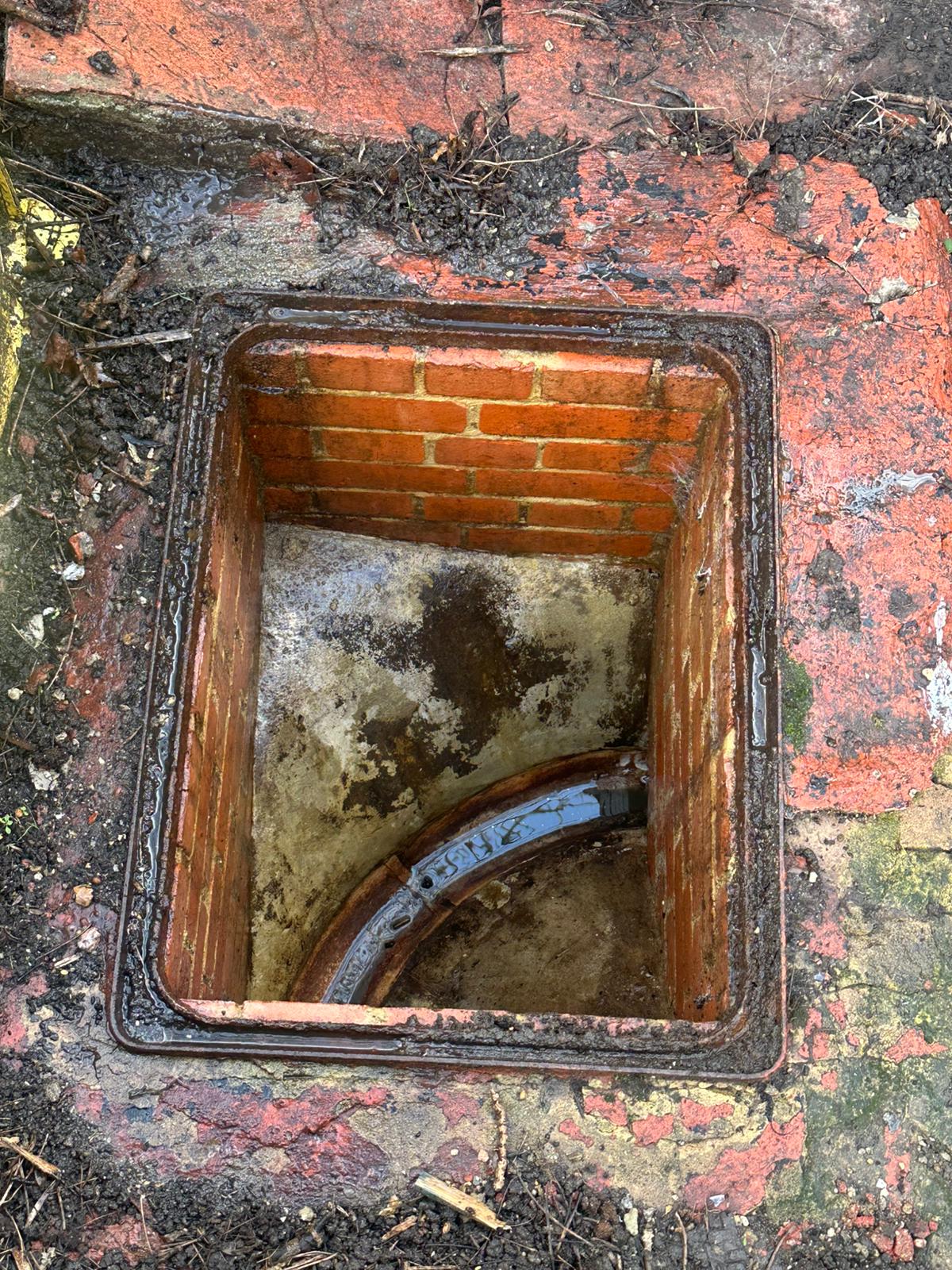
Underground drainage systems are vital for managing water and protecting properties. They help prevent flooding and water damage and support overall water management across a site. As a form of subsurface drainage, an underground water drainage system also reduces hydrostatic pressure around structures.
However, these systems can face several challenges. Common Underground drainage system issues include blockages, pipe damage, and improper installation.
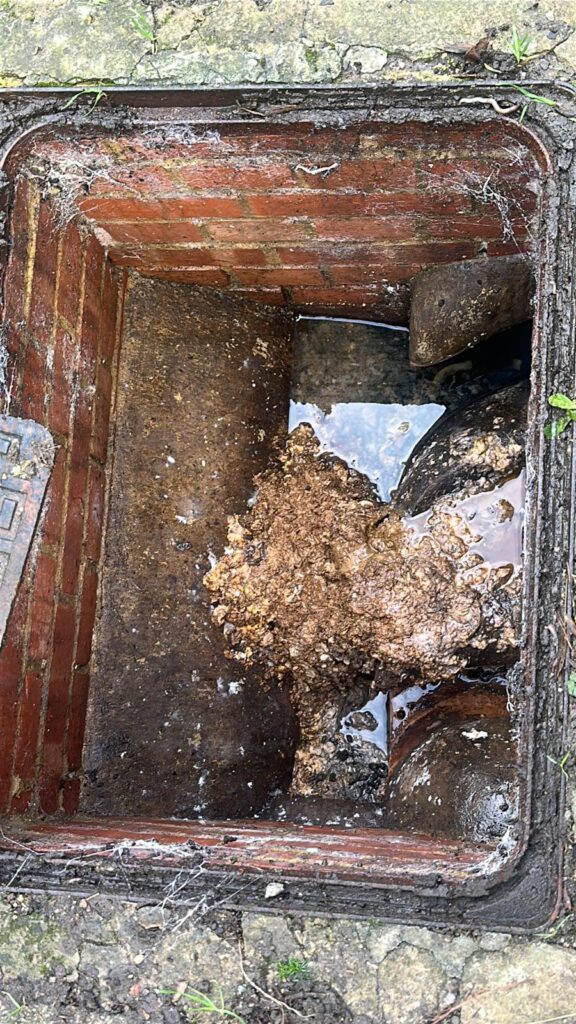
Blockages often result from debris, tree roots, or sediment buildup. These can disrupt water flow and cause backups.
Pipe damage is another concern. It can occur due to ground movement, heavy loads, or aging materials.
Improper installation can lead to poor drainage performance. This increases maintenance needs and potential for damage.
Understanding these issues is crucial. It helps in maintaining effective drainage systems, selecting practical drainage solutions, and protecting your property.
Underground drainage systems play a key role in water management. A well-designed underground storm drainage system channels rainwater away from buildings, protecting foundations and preventing erosion.
These systems are essential for urban and rural areas alike. They help control stormwater runoff, reducing the risk of flooding during heavy rains.
Key benefits include:
Without effective drainage, water can pool around buildings and roads. This leads to structural damage and potential environmental issues.
Moreover, these systems contribute to maintaining infrastructure integrity. They ensure roads, pavements, and buildings are safe and dry. Recognizing the importance of underground drainage systems can guide effective planning and installation. Thoughtful drainage design and careful underground drainage system installation help ensure longevity and effectiveness in safeguarding your property.
Identifying drainage issues early can save time and money. Look for signs that your underground system is not performing well.
Water pooling is a clear indicator. If you see stagnant water near the foundation or yard, there might be a problem.
Slow drainage in gutters is another red flag, especially if you rely on an underground gutter drainage system. If downspouts connect to a gutter underground drainage system or an underground drainage system for gutters, inspect those connections for clogs.
Other signs of problems include:
Ignoring these signs can lead to serious problems. For instance, mold and mildew result in poor air quality and health risks.

Regular inspections help catch these issues before they worsen. Consult a professional if you notice any of these warning signs. They can assess the problem and suggest effective solutions. Taking action promptly ensures your drainage system functions efficiently, protecting your property from water damage.
Various factors can lead to underground drainage issues. Understanding these causes aids in prevention and maintenance.
Blockages: One of the most common causes is blockages. Debris like leaves and twigs can accumulate, creating obstructions.
Tree Roots: Tree roots are relentless in their search for water. They can invade pipe joints, causing blockages and damage.
Sediment Buildup: Over time, sediments can settle inside pipes. This reduces flow efficiency and can eventually cause blockages, especially where fine soils with poor soil drainage migrate into the system.
In addition to these, other factors play a significant role:
by Sergei Shershen (https://unsplash.com/@mackgreeb)
Ground movement is another crucial factor. Natural settling and shifting can strain pipes, leading to cracks or collapses.
Heavy loads, such as parked cars, can also damage underground pipes. When drainage systems carry excessive loads, they can buckle under pressure.
Understanding these causes helps in selecting effective solutions. Regular inspections can identify threats before they escalate. Addressing the root causes ensures the long-term functionality of your drainage system.
Blockages in drainage systems are a prevalent issue. Debris, sediment, and tree roots frequently cause these obstructions. Each presents unique challenges to drainage efficiency.
Debris can enter systems through gutters and inlets. Leaves, twigs, and litter can accumulate, creating significant blockages. Regular cleaning of gutters helps prevent such buildup.
Sediment buildup is another frequent problem. It occurs when fine particles like soil and sand settle in pipes. Over time, these sediments can significantly reduce pipe capacity.
Tree roots pose a unique threat to underground drainage systems. They grow towards moisture, invading pipe joints and causing damage. Solutions for root intrusions can include:
by Adam Bignell (https://unsplash.com/@adam_29063)
The accumulation of these elements leads to reduced water flow and potential flooding. Preventive measures, including regular inspections, mitigate these risks. Installing filters or screens can also limit debris entry. Where suitable, french drains can intercept shallow groundwater before it reaches the pipe network. Consistent maintenance is crucial for keeping drainage systems clear and functional.
Pipe damage is a critical issue in underground drainage systems. It often occurs due to aging materials or external pressures. These damages can severely impair drainage efficiency.
Heavy loads, such as vehicles, can stress underground pipes. Over time, this stress leads to cracks or leaks. Ground movement, including natural settling, also contributes to structural failures.
Aging is another factor contributing to pipe damage. As materials degrade, they become more susceptible to breaks. This vulnerability underscores the importance of timely system updates.
Structural failures in drainage systems manifest in several ways:
by Avinash Kumar (https://unsplash.com/@ashishjha)
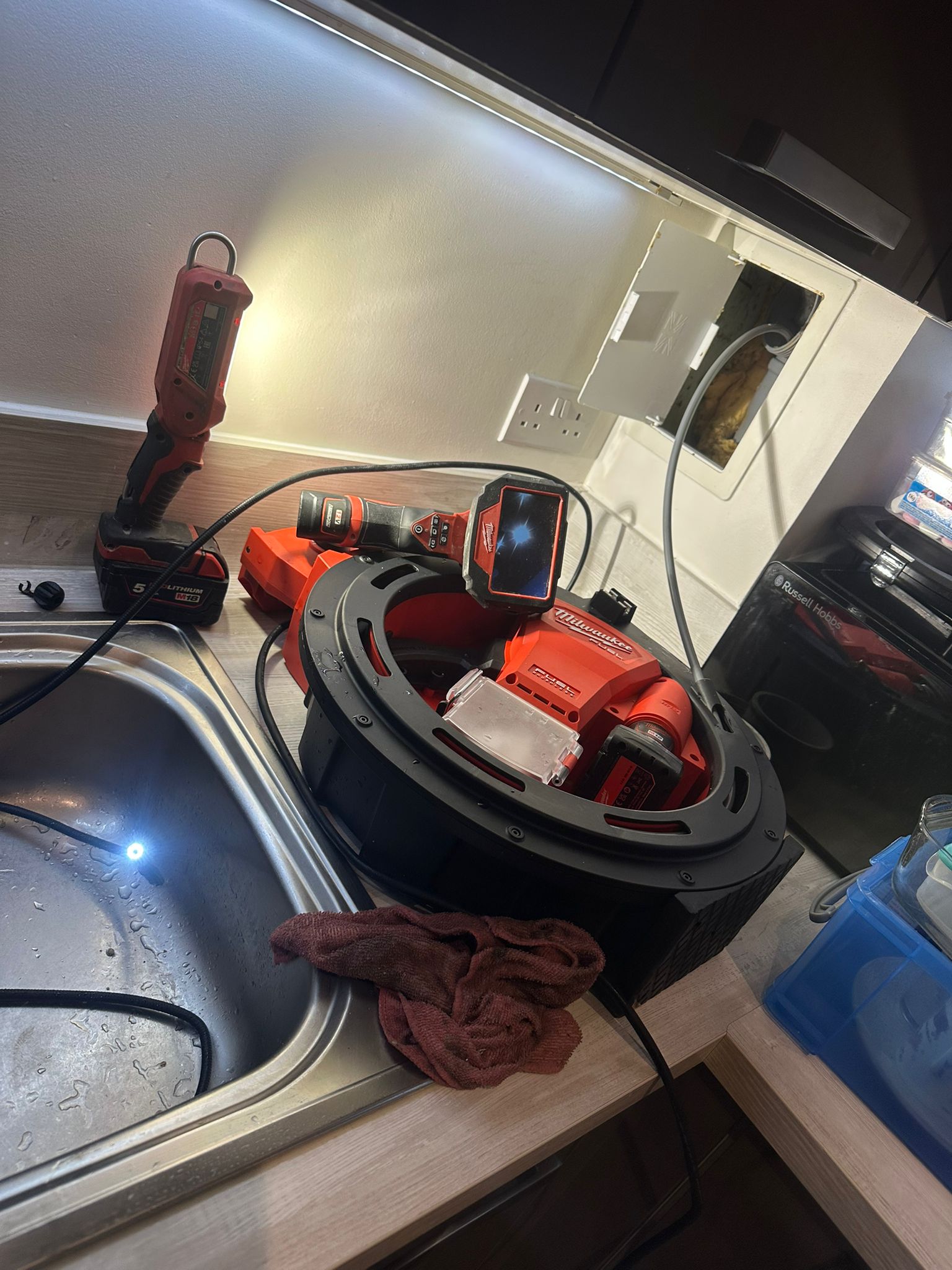
Detecting these issues early can prevent extensive damage. Regular inspections and maintenance are vital. Advanced technologies, such as video inspections, can help identify internal problems without excavation. Choosing robust materials during drainage installation can extend service life, and reinforcing pipes with durable liners may add further protection. Prompt repair of any identified issues is essential to maintain the system’s integrity.
Improper installation can lead to a host of drainage issues. Even a small error in installation may disrupt water flow significantly. Poor alignment is a common mistake that causes water to pool.
Design flaws are another concern in underground drainage systems. If not designed correctly, systems may not handle peak flow rates. Insufficient slope is a frequent design error that hampers drainage efficiency.
When assessing installation and design:

Correcting these issues involves revisiting the original drainage plan. Professionals should review and modify designs to ensure effectiveness. Proper underground drainage system installation and sound drainage design can prevent costly future repairs and ensure long-term functionality.
Water pooling around properties is a serious issue that signals drainage failure. It often leads to flooding, causing extensive damage. When stormwater is not managed well, infrastructure and landscapes suffer.
Stormwater management aims to direct excess water away efficiently. Failures occur when systems are not equipped to handle large volumes. Heavy rains can overwhelm drains, exacerbating flooding risks.
Key aspects of effective stormwater management include:

Failing to manage stormwater can result in long-term damage. This includes structural erosion and compromised foundations. Ensuring adequate underground drainage capacity and redundancy protects properties and preserves environmental integrity. Investing in robust stormwater solutions ensures resilience against changing climate conditions.
Effective drainage system maintenance is crucial for preventing costly repairs. Regular upkeep ensures optimal performance and longevity. Simple practices can significantly improve drainage efficiency.
Begin by routinely inspecting your drainage systems. Identify early signs of blockages or damage. Addressing minor issues promptly can prevent major failures.
Key maintenance practices include:
by Dorothy Ere (https://unsplash.com/@yurijean)
Implement seasonal checks to account for weather changes. Different seasons pose unique challenges for drainage systems. Adjust maintenance routines accordingly to ensure year-round effectiveness.
For roof runoff, consider an underground drainage system for gutters that ties downspouts to a buried line, improving collection and conveyance. Professionals can recommend drainage solutions such as french drains, catch basins, and inlet screens where appropriate.
Consider professional assessments for thorough evaluations. Experts can provide insights that go beyond routine checks. They ensure that all components function together harmoniously.
By adhering to best practices, you safeguard your property against drainage mishaps. Proper maintenance enhances system reliability and protects against harsh weather impacts.
Knowing when to call a professional can save time and money. Some drainage issues require specialized knowledge and tools. Attempting to fix these on your own may worsen the problem.
Consider professional help if:
Complex installations demand expert design and execution. Professionals ensure systems meet local regulations and function efficiently. They can also handle underground drainage system installation and refine drainage design for peak performance. You gain peace of mind by addressing intricate problems effectively. Prioritize your property’s safety by involving experts when needed.
Effective drainage systems are essential for protecting your property from water damage. Regular maintenance and timely intervention can prevent costly repairs. Addressing issues promptly ensures the longevity and efficiency of your system.
Investing in proper drainage solutions enhances your property’s value and appeal. It safeguards your home from flooding and erosion. Remember, professional guidance can make a significant difference in stormwater management. By maintaining your drainage system, you ensure the health and safety of your property for years to come.
Question: Why are underground drainage systems important for properties?
Short answer: They manage water to protect structures and landscapes. A well-designed underground drainage system channels rainwater away from buildings, reduces hydrostatic pressure around structures, protects foundations, and prevents erosion. It also controls stormwater runoff to lower flood risk in both urban and rural settings. Key benefits include:
Question: What warning signs suggest my underground drainage system is failing?
Short answer: Look for indicators of poor flow or water intrusion. Common signs include:
Question: What are the major causes of underground drainage problems?
Short answer: Most issues trace back to obstructions, damage, or design/installation errors:
Question: How can I prevent and address blockages from debris, sediment, and tree roots?
Short answer: Combine regular upkeep with targeted controls:
Question: When should I call a professional for drainage installation or repair?
Short answer: Bring in experts when issues are persistent, structural, or complex:
Running a successful enterprise in the capital requires more than just a great product or service; it demands a solid, reliable infrastructure. From bustling...
It’s 6:00 AM, your house feels like an icebox, and the shower is running completely cold. While panic is a natural reaction to a...
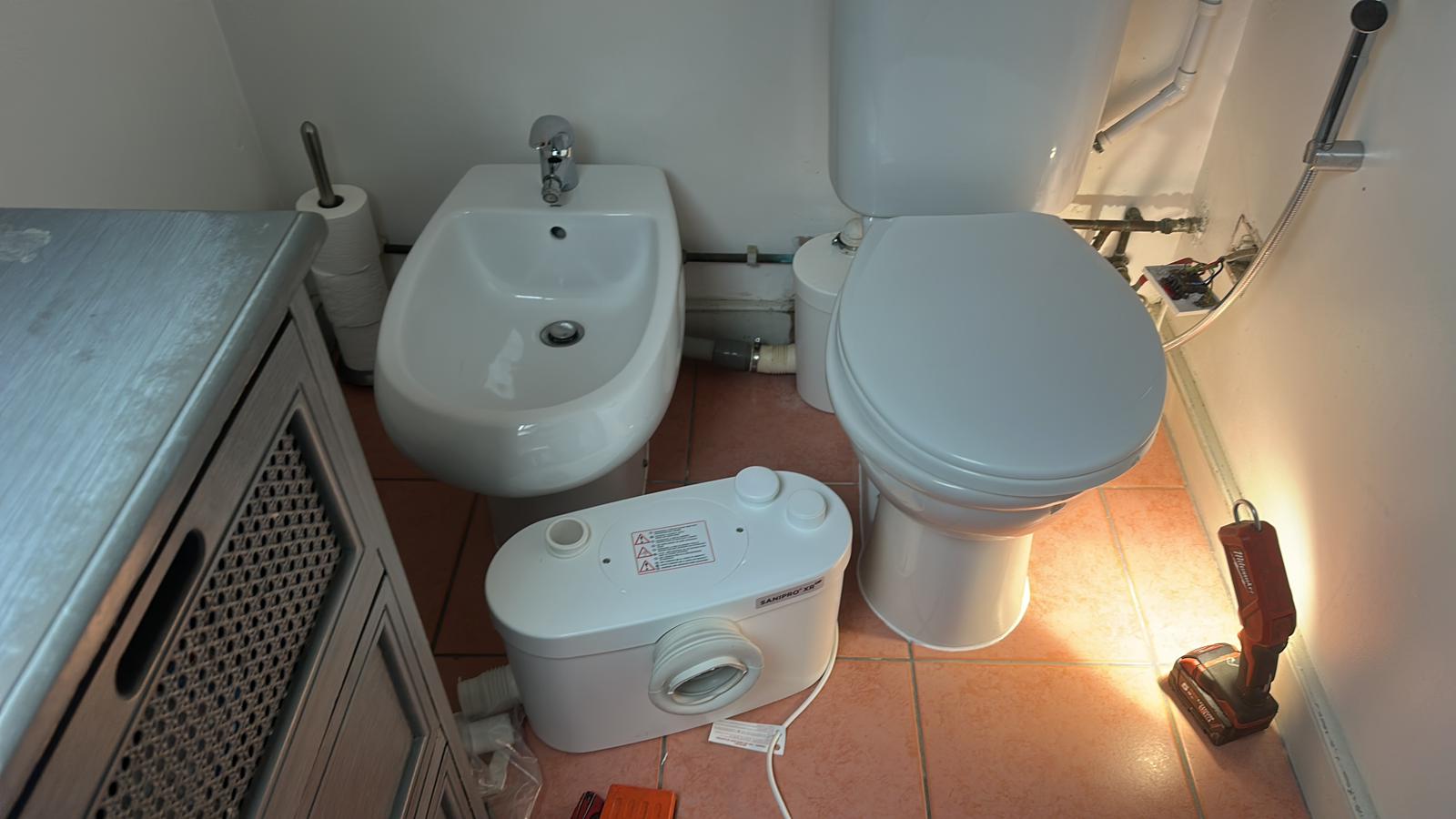
Bathroom renovation can be an exciting and daunting task to plan. Plumbing installation cost is one of the key factors that should be taken...