May 30, 2026

Running a successful enterprise in the capital requires more than just a great product or service; it demands a solid, reliable infrastructure. From bustling...

Deciding whether to repair or replace a boiler can be challenging. Homeowners often face this dilemma when their heating system starts showing signs of wear. Many ask: Is it cheaper to repair or replace a boiler? The answer depends on practical factors we cover below.
Boilers are essential for maintaining a comfortable home environment, especially during colder months. However, they can be costly to repair or replace.
Understanding the factors that influence this decision is crucial. These include the age and efficiency of the boiler, as well as the cost of repairs.
In this guide, we will explore the key considerations for making an informed choice, along with practical boiler maintenance tips and a brief boiler troubleshooting guide to help you decide. We aim to help you find the most cost-effective solution for your home heating needs.
Boilers typically last between 10 to 15 years. As they age, their efficiency often decreases. This leads to higher energy costs and more frequent repairs.
Improving efficiency is essential for reducing bills.
Newer models tend to be more energy-efficient, offering substantial savings over time. Regular maintenance can also boost efficiency and extend the lifespan of the unit.
Consider these factors when evaluating your boiler:
Regular servicing is vital for maintaining a boiler’s performance. This can help identify potential issues early, preventing costly repairs.

Assessing your boiler’s current state can guide your decision-making. Investing in a new unit might be more economical if repair costs start to add up. A straightforward boiler efficiency comparison between your current unit and modern models can clarify potential savings.
When boilers act up, the decision to repair or replace can be confusing. Strange noises, leaks, and irregular heating are common issues. These problems often signal that heating system repair is necessary.
Determining whether to repair or replace depends on several factors. First, evaluate the age and condition of the boiler. Older models might present frequent issues, making replacement more cost-effective in the long run.
Consider also the cost and frequency of past repairs. If maintenance bills rise consistently, a new boiler could be the better option. A newer model typically promises fewer problems and improved efficiency.
Here’s a quick guide to common issues:
Before making a choice, assess each problem individually. A quick boiler troubleshooting guide can help rule out simple fixes and ensure smart decisions that can save money over time.
Boiler efficiency plays a vital role in energy savings. Older boilers usually lack modern technology for superior efficiency. This often results in higher energy bills due to wasted fuel.
Newer boilers come equipped with advanced energy-efficient features.
These models often boast higher efficiency ratings, which can lead to significant savings on utility bills. They help reduce emissions, contributing to a greener environment.
Use a boiler efficiency comparison to estimate potential fuel savings and payback periods before committing to repair or replacement.
Key points to consider in boiler efficiency:

Investing in a newer, more efficient boiler can result in lower operational costs. However, upfront costs may be higher, so weigh these against potential savings.
In London, repairing a boiler can be an economical choice, especially if the issue is minor. Timely repairs often extend the life of the unit without the hefty costs of replacement. Local boiler repair London services can often respond quickly and source parts efficiently.
Indicators suggesting repair over replacement include consistent performance and no major failures. Repairing is ideal when the unit is less than 10 years old and has a good service record.
Regular maintenance and easy access to parts also make repairs more viable. It’s crucial to assess the frequency and costs of past repairs before deciding.
Consider repair if:
Engage a trusted professional for assessments and repairs. A small fix now can prevent bigger issues later, making repair a sound strategy for reliable boiler operation.
Replacing a boiler in London becomes essential when repair no longer ensures safety or efficiency. Units older than 15 years often suffer from declining performance and rising energy costs. Newer models provide better efficiency and lower emissions, appealing from both cost and environmental perspectives.
Chronic issues and frequent repairs suggest it’s time for a new unit. Consider replacement if repair costs escalate with each breakdown. The availability of government incentives for efficient models can offset some initial costs, making replacement more feasible.
Replacement becomes necessary with:
A new boiler improves home comfort and reliability. It also enhances property value and aligns with sustainability goals. Choosing the right time to replace can save money and reduce stress in the long run.
The decision between repairing or replacing a boiler hinges on understanding the associated costs. Boiler replacement costs in London vary based on the type, size, and efficiency of the unit. Typically, replacement can cost between £1,500 and £4,000, including installation.
In contrast, repair costs are generally lower initially, ranging from £100 to £500 for common issues. However, repeated repairs can accumulate quickly over time, especially for older units prone to frequent breakdowns.
When comparing costs, consider the potential long-term savings from a newer, more efficient boiler. These savings can offset the higher upfront costs of replacement. Additionally, newer models often come with warranties that protect against unexpected expenses.
Key cost considerations include:
Ultimately, weigh upfront costs against potential energy savings and reliability improvements. This balance ensures a financially sound decision aligned with both immediate and future needs.
Deciding whether to repair or replace a boiler involves several key considerations. The age of the unit is crucial; boilers over 15 years old may be less efficient.
Frequent breakdowns and rising repair costs signal that replacement could be more cost-effective. Evaluate how often repairs are needed and their cumulative expense over time.
Energy efficiency plays a significant role in the decision-making process. Newer boilers tend to be more efficient, potentially resulting in lower energy bills.
Additional factors to assess include:
By weighing these aspects carefully, homeowners can determine the most financially viable and efficient option. Making an informed choice ensures long-term comfort and cost savings in the home.
Regular maintenance is essential for keeping your boiler running efficiently. This not only extends its lifespan but also prevents unexpected breakdowns.
Simple steps can be taken to ensure your boiler remains in top condition. Firstly, schedule annual professional inspections. These checks can identify potential issues before they become costly repairs.
Additionally, homeowners can follow a few maintenance tips on their own:
Following these tips helps maximise boiler efficiency and ensures reliable heating during the cold months. Regular care and attention can significantly enhance the longevity of your heating system.
Installing a new boiler can offer significant environmental and efficiency advantages.
Modern boilers are designed to be much more energy-efficient than older models. This means they use less fuel to heat your home, reducing your energy bills and lowering your carbon footprint.
Several benefits come with new boiler installations:
These benefits make new boilers a wise investment for both the environment and your budget.

Switching to a newer model aligns with sustainability goals by decreasing overall energy consumption. Thus, new boilers not only heat your home more efficiently but also contribute to a healthier planet.
Choosing the right home heating solutions involves several considerations. First, assess the size and layout of your home. This will help determine the type and capacity of the boiler needed.
Additional factors to consider include:
Each factor plays a crucial role in your decision. Also, consider any potential future plans, such as home expansion. By carefully evaluating these elements, you can select a heating solution that efficiently meets your household’s needs. Exploring home heating solutions with a qualified installer can ensure an option that suits your property.
Before making a decision to repair or replace, perform basic troubleshooting using this quick boiler troubleshooting guide. These quick checks might save you time and expense. Start by inspecting the boiler for visible leaks or blockages.
Other simple steps to consider:
If issues persist after these checks, call a professional. Identifying the problem accurately can prevent further damage and help in deciding whether to repair or replace your boiler.
Living in London adds unique factors to the repair or replacement decision. The cost of services can be higher due to regional demand. It’s essential to consider this when comparing boiler replacement vs repair London quotes and timelines.
Key local considerations include:
Assessing these factors can help make an informed decision. Comparing options locally ensures you choose the most cost-effective and efficient solution for your home heating needs.
Deciding between boiler repair and replacement involves multiple factors. Consider the age and efficiency of your current system. Also, weigh the costs and potential savings of a new boiler. So, is it cheaper to repair or replace a boiler? It ultimately depends on your unit’s age, efficiency, and repair history.
Whether you choose repair or replacement, ensure it aligns with your long-term home heating goals. Evaluate financial aspects carefully and think about energy efficiency. Ultimately, selecting the best choice for your home depends on balancing costs, benefits, and your specific heating needs.
Question: Is it cheaper to repair or replace my boiler?
Short answer: It depends on age, efficiency, and repair history. Boilers under 10 years old with isolated issues are typically cheaper to repair. If your unit is over 15 years old, breaking down frequently, or running inefficiently, replacement often becomes more cost-effective over time. Compare the cost of recent and expected repairs against the efficiency gains and reliability of a new model to find the best value.
Question: What are typical boiler repair and replacement costs in London?
Short answer: Common repairs often range from £100 to £500, while full replacement (including installation) typically costs £1,500 to £4,000. Although repair is cheaper upfront, repeated fixes can add up quickly on older units. Newer boilers can lower bills and often include warranties, helping offset higher initial costs. Local demand in London can affect quotes and timelines, so compare options before deciding.
Question: When is repairing the best option?
Short answer: Choose repair when the boiler is under 10 years old, the problem is isolated (not a pattern of failures), and parts are easy to source. If performance has been consistent and maintenance is up to date, a targeted fix can extend the unit’s life cost-effectively. Timely, professional repairs can prevent minor issues from becoming expensive breakdowns.
Question: How do newer boilers save money and reduce environmental impact?
Short answer: Modern boilers are designed for higher energy efficiency, using less fuel to deliver the same heat, which lowers your utility bills. They also produce fewer emissions, supporting sustainability goals. Reviewing energy ratings, expected fuel savings, and emission levels—and estimating payback—helps clarify the long-term value of upgrading.
Question: What quick checks and maintenance steps should I try before deciding?
Short answer: Start with basic troubleshooting: confirm thermostat settings, ensure power is on, look for visible leaks or blockages, and listen for unusual noises. For maintenance, bleed radiators, check pressure gauges, and keep vents and flues clear. Schedule annual professional servicing to catch issues early; if problems persist after quick checks, call a qualified engineer to assess whether repair or replacement makes more sense.
Running a successful enterprise in the capital requires more than just a great product or service; it demands a solid, reliable infrastructure. From bustling...
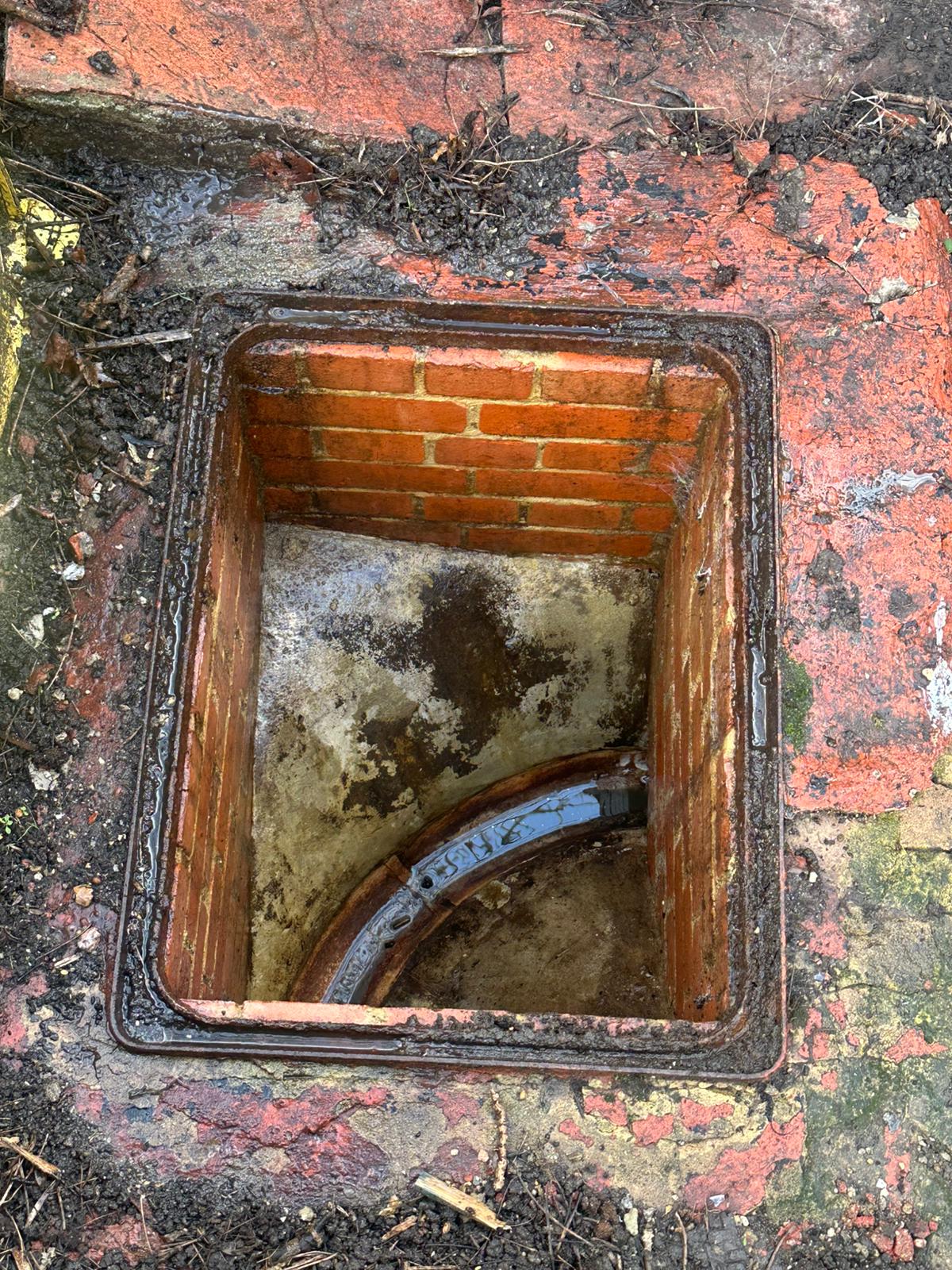
Common Problems and Fixes Underground drainage systems are vital for managing water and protecting properties. They help prevent flooding and water damage and support...
It’s 6:00 AM, your house feels like an icebox, and the shower is running completely cold. While panic is a natural reaction to a...