May 19, 2026

Burst pipes can wreak havoc on your property. They cause water damage and disrupt daily life. Immediate repair is crucial to prevent further issues....

Finding a plumbing leak can be a daunting task for homeowners. Leaks can cause significant damage if not addressed promptly.
Understanding how to identify leaks is crucial for maintaining your home. It can save you money and prevent further issues.
This guide will help you learn how to find a plumbing leak. We will cover signs, detection methods, and solutions.
Whether you’re a DIY enthusiast or prefer professional help, this article is for you. Let’s dive into the world of plumbing leak detection.

Identifying a plumbing leak early can prevent costly repairs. Several signs indicate a leak might be present.
One common sign is a sudden, unexplained increase in your water bill. This could mean water is escaping somewhere unseen.
Be alert for damp spots or water stains on walls and ceilings. These may suggest a hidden leak.
Also, look out for musty odours, which could indicate mould growth due to a leak. Reduced water pressure is another clue.
Listening is another technique for detecting leaks. You might hear dripping or water running when all fixtures are off.
Mould and mildew thrive in moist environments and could signify a long-standing leak. A persistent dampness should never be ignored.
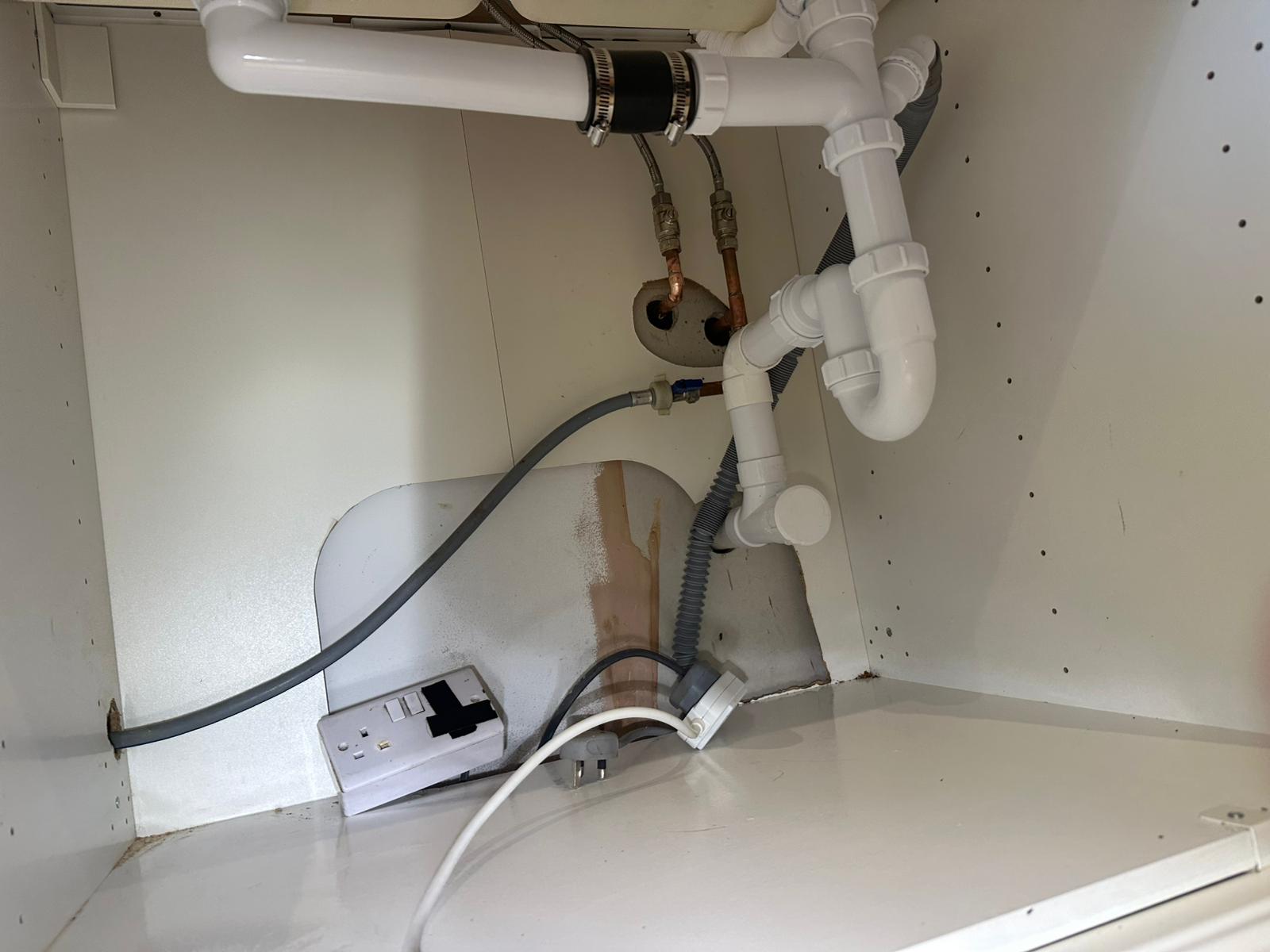
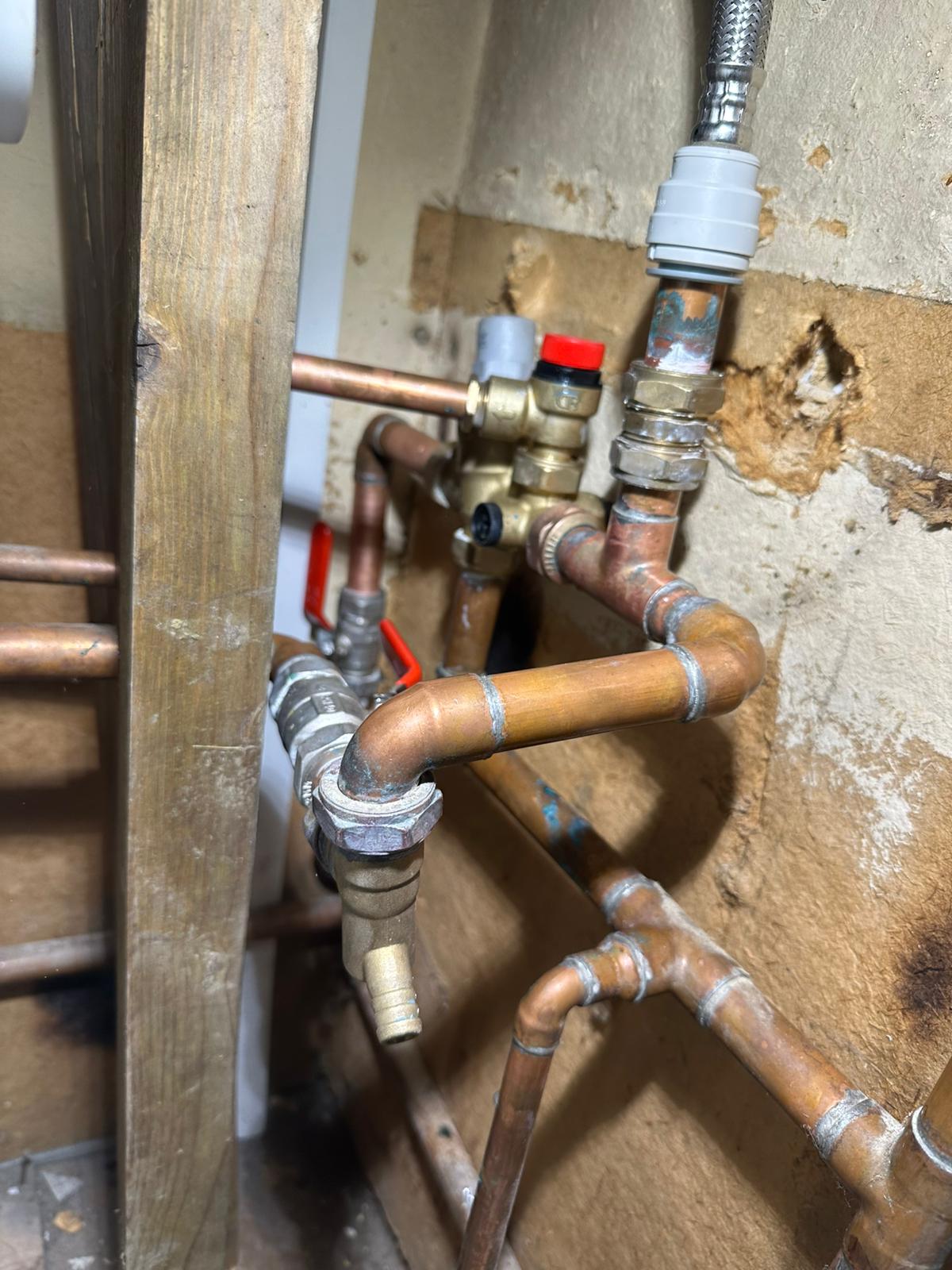
Checking specific areas is crucial in finding plumbing leaks. Begin by inspecting under sinks and around toilets. These spots often conceal leaks that lead to water pooling or dampness.
Next, examine exposed pipes for signs of corrosion or condensation. These can be early indicators of a leak in your plumbing system.
Do not neglect outdoor areas.
Check your garden hoses and irrigation systems for leaks. Any excess water pooling outside could originate from a problem indoors.
In the cellar, keep an eye on your water heater and any visible piping. A leaking water heater may show signs of rust or have water accumulating below.
Use food colouring as a simple test for toilet leaks. Drop some in the cistern and see if it appears in the bowl without flushing. This quick DIY tip can help detect silent leaks easily.

Detecting plumbing leaks yourself can be simple and cost-effective. Begin by listening carefully for any unusual sounds. The sound of dripping or running water when fixtures are off can signal a hidden leak.
Another effective method is to look for musty odours. Mould and mildew often accompany leaks and create a noticeable smell, particularly in damp areas.
You can also utilise touch to find leaks. Feel around plumbing joints and fixtures for moisture or dampness, which may indicate a problem.
Checking your water bill can also be a valuable detection tool. An unexplained increase could signify a leak somewhere in your home’s plumbing system.
A visual inspection can reveal water stains on walls or ceilings. These stains point to hidden leaks that need attention. Finally, a torch can help you examine dark areas or behind appliances where leaks might be hiding.
By regularly practising these DIY methods, you can catch leaks early and prevent significant damage.
Modern leak detection tools and technology make finding leaks easier and more accurate. These tools allow you to pinpoint issues that are not visible to the naked eye.
One of the most popular tools is the moisture meter. This device measures the moisture level in walls, floors, and ceilings, helping you identify areas with excess water.
Infrared cameras are another valuable tool. They can detect temperature changes in your home, highlighting cold spots that may indicate a leak.
Acoustic listening devices are helpful for detecting sounds from within pipes. These tools amplify sound, enabling you to locate leaks in plumbing hidden behind walls or under floors.
These tools, paired with smart home technology, can help you monitor leaks in real time. Some smart systems provide alerts directly to your phone when unusual water flow is detected.
By investing in these technologies, homeowners can detect leaks efficiently, saving time and preventing future problems.
Checking your water meter is a straightforward way to detect leaks. This simple method can reveal leaks that might otherwise go unnoticed.
First, make sure no water is being used inside or outside your home. Then, locate your water meter. It’s typically found near the kerb or along the house’s foundation.
Once everything is turned off, take note of the meter reading. Wait for one to two hours, ensuring no water usage occurs during this time. If the reading changes, you likely have a leak.
By conducting this test, you can effectively determine if unseen leaks exist.
Hidden and slab leaks are among the most challenging to find. These leaks occur behind walls or under floors, making detection difficult. However, they can cause severe damage if not addressed promptly.
Signs of hidden leaks include unexplained damp spots on walls or floors. You might also notice an increase in your water bill. It’s essential to act quickly when you suspect these leaks.
For slab leaks, look for warm spots on the floor or cracks in the walls or foundation. Slab leaks can lead to significant structural issues over time. Specialised methods like pressure testing are often necessary for detection.
Employing advanced leak detection technology can help. Acoustic listening devices and thermal imaging cameras are effective tools. Professional assistance is often the best course of action for these complicated leaks.
Sometimes, DIY methods aren’t enough. If you notice persistent plumbing issues, it’s time to call the experts. Professional services offer precision and expertise.
Severe leaks or those in hard-to-reach places require special skills. Complex plumbing systems can hide leaks that are difficult for homeowners to find. Professionals have the experience and equipment necessary for a thorough inspection.
Hiring experts can prevent further damage. Trained inspectors can detect problems early, saving you costly repairs. Consider calling inspection services if you spot any of these issues:
Professional services provide peace of mind. They can ensure your plumbing system operates smoothly and safely.
Deciding between DIY fixes and professional repair is crucial. Some leaks are easy to handle on your own. For instance, minor leaks under sinks can often be fixed with simple tools.
DIY solutions offer a sense of satisfaction. They can also be cost-effective for small problems. Follow plumbing repair guides for step-by-step instructions. However, know your limits to avoid making the issue worse.
Professional repair is ideal for complex leaks. Leaks within walls or under flooring often require expert attention. Professionals use advanced leak detection methods for an accurate diagnosis.
Evaluate the extent of the plumbing issue before deciding. Consider these factors:
Both DIY and professional repairs have their place. Choose based on your comfort level and the complexity of the issue.
Choosing the right plumbing company is essential. Experienced and reliable professionals ensure quality repairs and peace of mind. Consider several factors when making your decision.
Here are key points to evaluate:
Take time to research and compare different companies. Make informed decisions by focusing on these criteria, ensuring your plumbing repairs are in capable hands.
Taking a proactive approach can save time and money. Regular maintenance is key to preventing plumbing leaks. Routine checks ensure your system stays in good condition.
Consider implementing these preventive measures:
Incorporating these steps into your maintenance routine will help reduce the risk of leaks and prolong the lifespan of your plumbing system.
Identifying a plumbing leak is critical for home safety and efficiency. Early detection prevents costly repairs and damage. Use the tips and tools discussed to locate and address leaks effectively.
Be proactive with routine inspections and maintenance. Understanding leak detection methods empowers homeowners to act swiftly.
When in doubt, consulting professionals ensures comprehensive solutions for complex issues. Protect your home by staying vigilant and informed.
Burst pipes can wreak havoc on your property. They cause water damage and disrupt daily life. Immediate repair is crucial to prevent further issues....
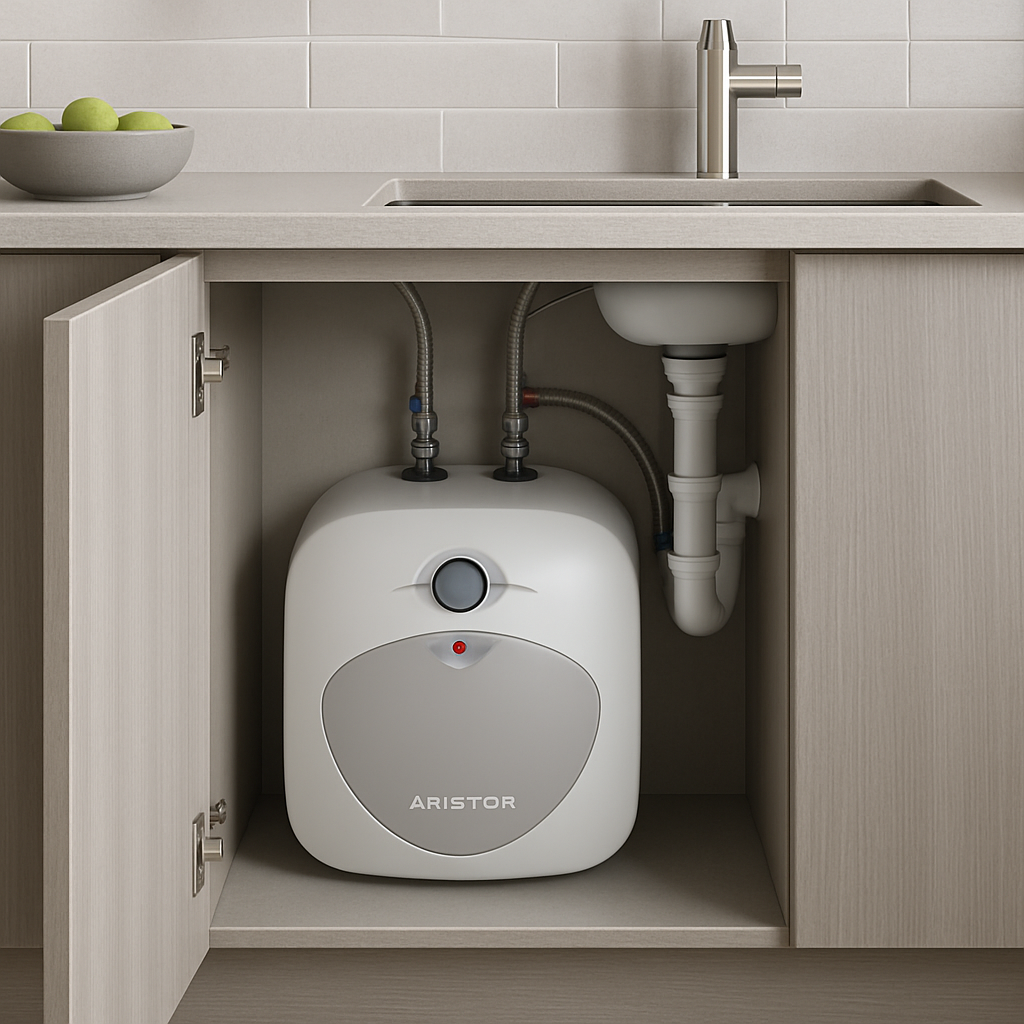
Waiting hours before the hot water gets to your kitchen or utility room tap is a common complaint among many homeowners in London. In...
You don’t need a plumber’s licence or a van full of heavy equipment to tackle a leaky cabinet. With three basic tools and twenty...