How Much Does a Plumber Charge to Replace a Toilet
Replacing a toilet can be a daunting task. Many homeowners wonder about the costs involved. Hiring a plumber is often the best choice for this job.

Understanding the costs can help you budget effectively. The price can vary based on several factors. These include the type of toilet and the complexity of the plumbing.
Location also plays a role in pricing. Urban areas tend to have higher rates. Additionally, the age and condition of your property can affect costs.
It’s important to consider additional expenses. These might include disposal fees or the cost of new parts. Knowing these details can prevent surprises.
This guide will explore all aspects of toilet replacement costs. From average rates to cost-saving tips, we’ve got you covered. Let’s dive into the details.
Average Cost for a Plumber to Replace a Toilet
The cost to replace a toilet can vary. On average, hiring a plumber costs between £150 and £400.
This amount depends on labour, materials, and other factors.
Geographic location significantly influences costs. Urban areas often have higher plumber fees than rural locations. This reflects the difference in living expenses and demand.
The complexity of the job can also raise prices. More intricate setups take more time and expertise. Simple replacements might cost less due to minimal labour.
Factors That Affect Pricing:
- Plumbing complexity
- Type of toilet
- Location
- Extra components or repairs
Standard installations tend to be more affordable. High-efficiency or designer toilets might increase costs. These models usually require more skill to install.
Sometimes, a fixed rate is offered. This pricing gives homeowners predictability. However, it may not cover unexpected issues that arise.
Another factor to consider is additional fees. Some plumbers charge extra for emergencies or after-hours work. These charges can be 1.5 to 2 times the regular rate.
Understanding these costs can help in planning your budget. Thorough preparation leads to successful and stress-free projects. Ensure you obtain multiple quotes for the best deal.
Factors That Influence Toilet Replacement Cost
Several factors can impact the cost of replacing a toilet. These include the type of toilet, plumbing setup, and geographic location.
A primary consideration is the type of toilet and cistern. Basic models are generally more affordable. In contrast, high-efficiency or designer options can increase expenses.
The complexity of your plumbing configuration also matters. Newer systems might be easier and cheaper to work with than outdated or intricate ones. Complex systems often require more labour and expertise.
Location plays a significant role in pricing. Urban areas typically have higher labour costs than rural settings.
Accessibility to the worksite can raise costs:
Difficult-to-reach locations, like basements, can lead to longer installation times.
The age and condition of your property also affect cost. Older homes may need additional work or updates to the existing infrastructure. This might increase the total bill.
Additional considerations include:
- Toilet removal fees
- Permit requirements
- Seasonal demand
Extra charges could arise if new parts, like valves or flanges, are needed. Emergencies or out-of-hours work often come with higher fees.
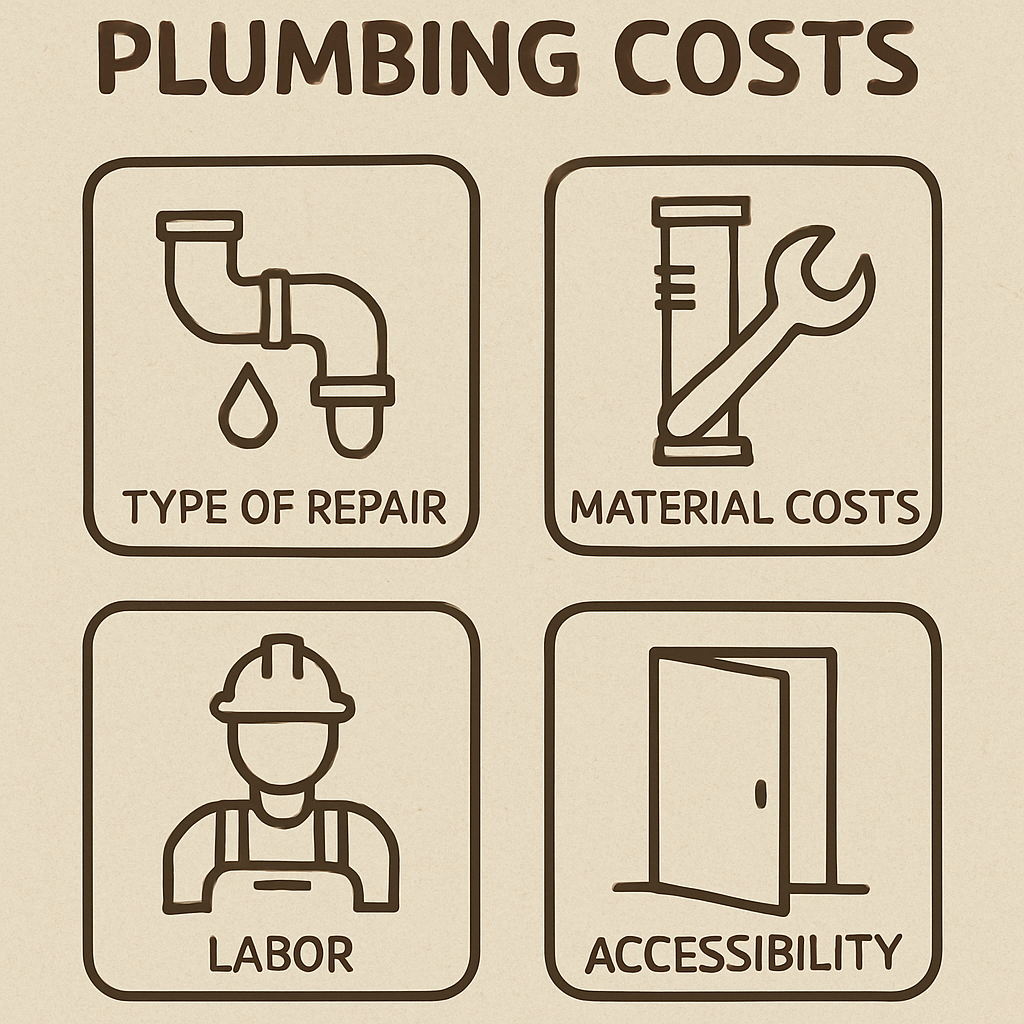
Understanding these factors helps plan your budget. It ensures you’re prepared for potential expenses. Knowledgeable planning reduces the chance of unexpected costs.
Type of Toilet and Cistern
The type of toilet and cistern you choose plays a crucial role in the total cost. Basic models usually require less labour and expertise, reducing installation costs.
High-efficiency and designer toilets often come with a higher price tag.
These models are frequently complex, necessitating specialised knowledge for proper installation.
Choosing a water-saving model might also lead to higher upfront costs. However, these can provide long-term savings on water bills.
Different toilets have varying installation requirements:
- One-piece toilets
- Two-piece toilets
- Wall-mounted options
Each type carries distinct installation challenges. The choice between them affects both immediate and ongoing costs.
Understanding the options ensures you choose the right toilet for your needs. This preparation can lead to cost-effective decisions.

Complexity of the Plumbing Setup
The complexity of your plumbing setup is a significant cost driver. Simple systems tend to reduce labour time and costs.
Older homes might have more complicated plumbing. Modern systems could simplify installation, saving time and money.
Detailed configurations may require special tools or techniques. These can raise the total cost of a project.
Key plumbing factors include:
- Existing pipe condition
- Connection methods
- Compliance with standards
Considering these aspects helps anticipate the overall expense. It ensures that you’re well-prepared for any complexities.
Location and Accessibility
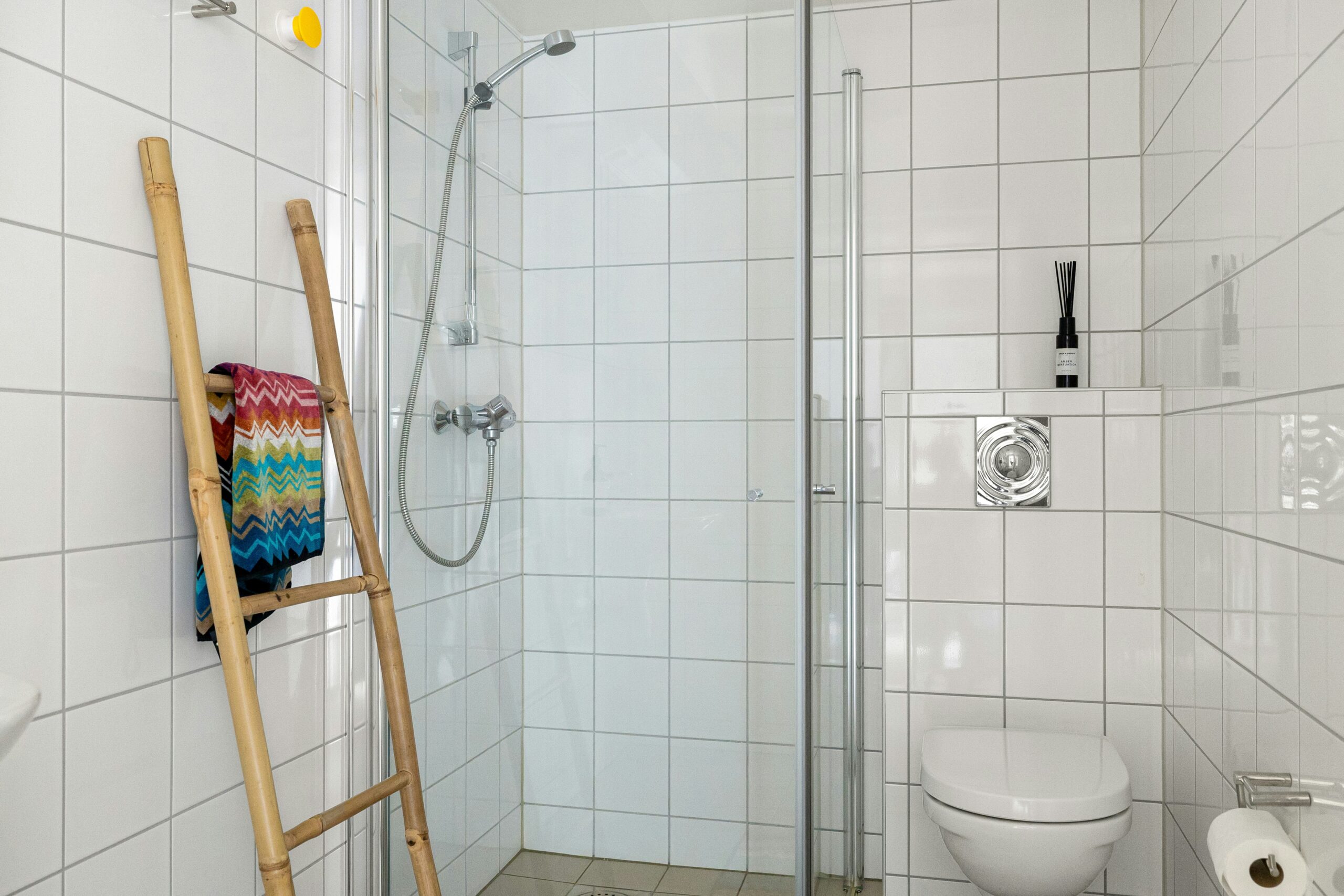
Location and accessibility can influence replacement costs. Urban areas usually have higher labour expenses than rural ones. This is due to increased living costs and demand.
The toilet’s location within your home also matters. Hard-to-reach areas, such as upper floors, require more effort and time.
Accessibility issues can lead to additional charges. Complex installations might need special equipment or methods.
Relevant factors include:
- Home layout
- Proximity to plumbing connections
- Ease of access to the site
by Lisa Anna (https://unsplash.com/@lisaanna195)
Being aware of these considerations helps in budgeting appropriately. It ensures a smoother replacement process.
Age and Condition of Property
Older homes can affect plumbing expenses. Ageing infrastructure might need updates or repairs. This can lead to increased costs.
Well-maintained properties may have lower installation expenses. They often require fewer adjustments.
Understanding your home’s condition aids in budgeting. It prepares you for potential unexpected costs. This forethought ensures a smoother installation process.
Breakdown of Toilet Installation Costs
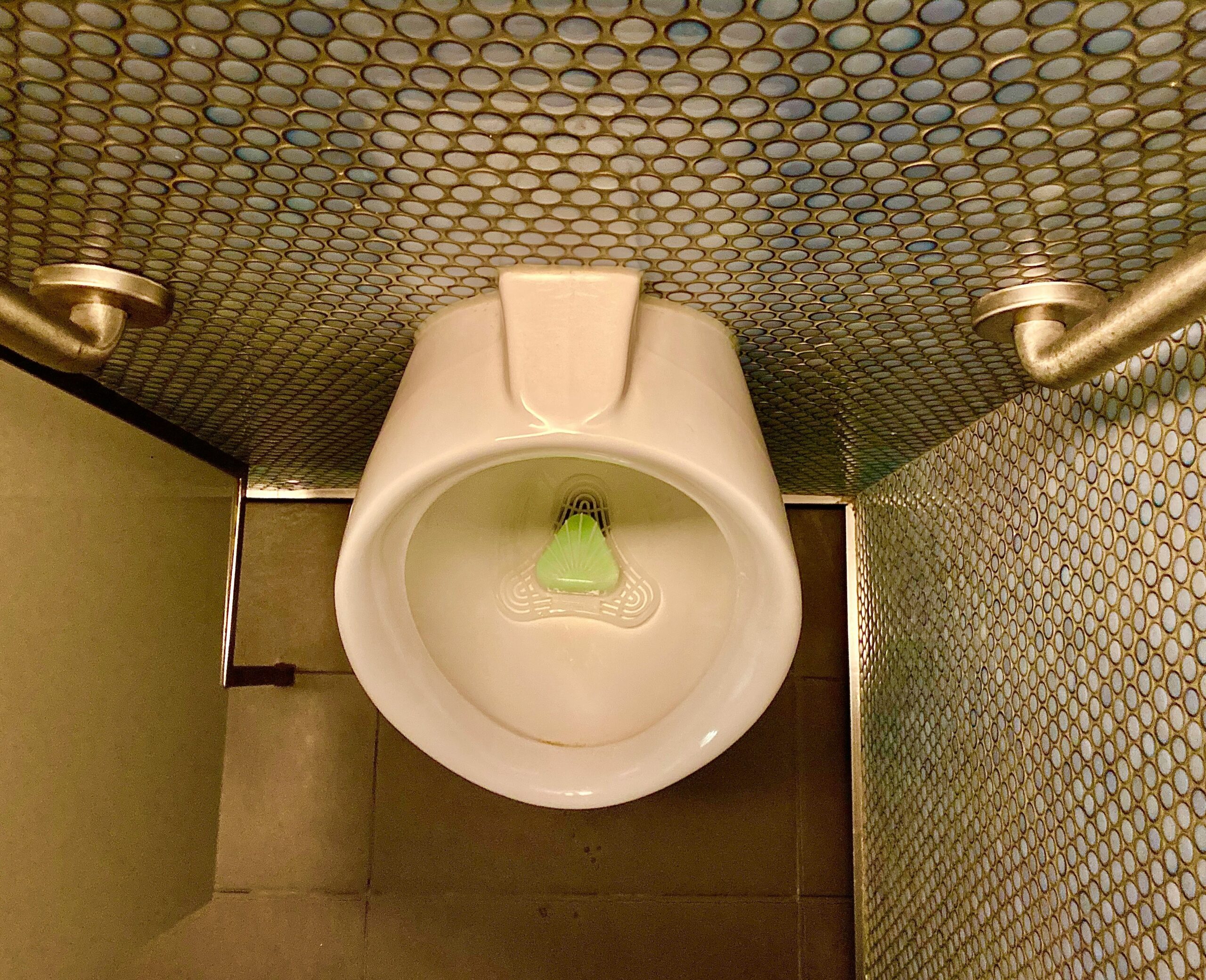
Understanding the components of toilet installation costs can help manage your budget efficiently. The expenses involve various elements from removal to the final setup.
Toilet removal is the initial step.
It involves detaching the old unit and preparing the site for the new one. This fee varies depending on the complexity and age of the toilet.
Installation costs cover labour, materials, and any additional plumbing work required. Factors such as type and brand of toilet can influence these costs.
Different types of toilets incur varying replacement expenses. Basic models are less costly, whereas high-end ones often demand more in labour and parts.
During installation, unforeseen challenges may arise. These can escalate the final bill.
Thus, it’s essential to account for potential overages when budgeting. To gain a clearer picture of costs, consider:
- Labour charges
- Material costs
- Old toilet disposal fees
- Permit and inspection fees
This breakdown facilitates a comprehensive understanding. It aids in planning and prevents financial surprises.
by Ian Kirkland (https://unsplash.com/@jean_luc)
Toilet Removal Cost
The cost of removing a toilet is a crucial part of the total expense. Removal typically involves basic labour and disposal fees. On average, this fee ranges from £20 to £35.
However, complexities in detaching old fixtures can increase costs. Factors that may influence this price include:
- Toilet condition
- Location within the home
- Disposal requirements
Being aware of these aspects helps anticipate removal charges. It ensures your budget reflects all necessary expenses, preventing unforeseen costs.
Toilet Installation Cost
Toilet installation costs involve several components beyond the straightforward assembly. Key factors include labour, materials, and any required modifications to the plumbing.
Labour is a significant portion of the cost. Skilled plumbers charge for their time and expertise. The installation of a standard toilet can range from £100 to £280.
Material costs depend on the toilet type and required fittings. Sometimes, local permit fees or inspections might be necessary.
Common costs in this phase include:
- Plumber rates
- Material expenses
- Permit fees
Exploring these elements helps better prepare for the financial commitment. Proper planning ensures a smooth process without unexpected charges.
Toilet Replacement Cost by Type
Toilet replacement costs differ according to the type of model. A basic toilet usually costs less to replace. In contrast, high-end models often come with higher expenses.
Standard two-piece toilets are generally more affordable. They involve straightforward installation procedures and commonly used parts.
One-piece toilets, while offering a sleek design, may incur additional labour due to their complexity. Similarly, wall-mounted models can elevate costs as they need specialised installation.
Choosing eco-friendly or water-saving toilets can also increase initial costs. However, these may lead to savings on water bills over time.
To help budget effectively, consider:
- Basic models
- One-piece options
- Wall-mounted units
- High-efficiency toilets
Understanding these cost variables aids in making informed choices. It prepares you for the financial aspects of different toilet types.
Additional Plumbing Costs During Toilet Replacement
Toilet replacement often involves additional plumbing costs that go beyond basic installation. Addressing these expenses beforehand helps ensure a smooth process.
Some common additional costs include replacing parts like the fill valve, shut-off valve, and flange. Each component has its specific price range and labour requirements.
A compromised fill valve can lead to water waste. Therefore, it might need replacement during installation to ensure efficiency.
Faulty shut-off valves are another potential issue. A functional shut-off valve is essential for controlling water flow during repairs.
The toilet flange, which secures the fixture to the drain, might also require replacement. A damaged flange can lead to leaks if not properly addressed.
Each of these components contributes to the overall cost. Preparing for these additional expenses is vital. Here’s what you might expect:
- Fill valve replacement costs
- Shut-off valve replacement fees
- Flange replacement expenses
Identifying these needs in advance helps with budgeting. It reduces the stress associated with unexpected charges during toilet replacement.
Cost for Plumber to Replace Toilet Fill Valve
Replacing a toilet fill valve is a common necessity during installation. This part controls water flow in the cistern. On average, the cost ranges from £60 to £150, including parts and labour.
A faulty fill valve can affect toilet functionality. Fixing this issue can be essential for water conservation and smooth operation.
The main factors influencing the cost include:
- Type of fill valve
- Labour rates
- Location
Being aware of these variables helps you anticipate the cost effectively. It ensures a fully functional toilet post-installation.
Plumber Cost to Replace Toilet Shut-Off Valve
A shut-off valve is critical for managing water flow to the toilet. Replacing it can prevent water leaks during maintenance. Typical replacement costs range from £50 to £150.
The price variance depends on several aspects. These can include the valve type and local plumber rates.
For accurate budgeting, consider:
- Valve material
- Regional labour costs
- Specific plumbing conditions
Anticipating these costs can ease the replacement process. It ensures smooth control over your toilet’s water supply.
Plumber Cost to Replace Toilet Flange
Replacing a toilet flange requires precise attention since it connects the toilet to the floor. A secure flange is vital to prevent leaks. The typical cost is between £145 and £165.
This expense includes both materials and labour. Factors like plumbing complexity can raise costs.
Key considerations for flange replacement are:
- Condition of existing plumbing
- Labour difficulty
- Material quality
Understanding these factors aids in preparation. It ensures a leak-free toilet connection and peace of mind.
Average Plumber Rates and How They Affect Toilet Replacement
Plumber rates can significantly influence the cost of toilet replacement. These rates are often determined by the plumber’s experience and area of operation. Urban regions typically have higher labour costs compared to rural areas, impacting your overall budget.
Understanding average plumber rates provides a clearer picture of potential expenses.
On average, plumber rates range from £35 to £160 per hour. This variation means the total cost for a project might increase if it requires extensive labour.
It’s important to consider the factors that can affect these rates:
- Location
- Experience
- Demand and availability
An experienced plumber may charge more due to expertise. Additionally, hiring during peak times might incur premium rates.
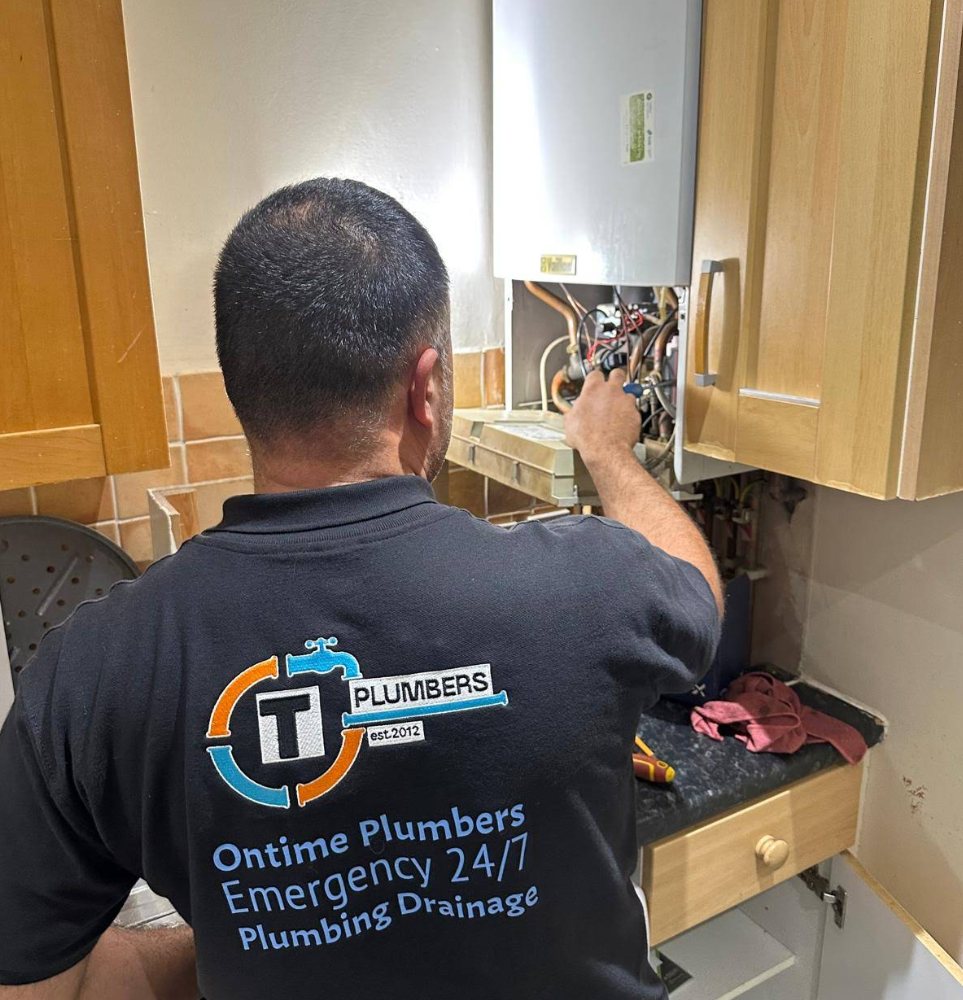
To minimise costs, consider comparing quotes from multiple plumbers. This strategy ensures you receive competitive pricing, helping manage your budget effectively. Be sure to verify credentials and reviews to ensure quality service.
Regional and Seasonal Price Variations
Toilet replacement costs can fluctuate based on your location and the time of year. Urban areas often see higher prices due to increased demand and living expenses. Conversely, rural regions might offer cheaper rates but with fewer available plumbers.
Seasonal trends can also affect pricing. During colder months, there might be a spike in plumbing services due to pipe-related issues. This can drive costs up as demand increases for plumbing services.
When planning your toilet replacement, consider these factors:
- Urban vs. rural pricing
- Seasonal demand changes
- Local availability of plumbers
Strategic timing and location awareness can help you schedule your project for a more economical period. Comparing local plumber rates can further optimise your expenses, ensuring you get the best deal for quality service.
Cost-Saving Tips for Toilet Replacement
Toilet replacement doesn’t have to strain your budget. Some strategies can significantly reduce costs. First, consider opting for a basic model over designer toilets. Basic models offer reliability without the high price tag associated with designer alternatives.
Timing your loo replacement can also lead to savings. Aim for off-peak seasons when plumbers are less in demand. This is especially advantageous in locations where plumbing demands fluctuate due to weather.
Obtaining multiple quotes from different plumbers can ensure competitive pricing. This also allows you to compare services offered. Some plumbers might provide better rates for quality service.
Consider the following cost-saving tips:
- Choose a basic loo model
- Schedule during off-peak seasons
- Get multiple plumber quotes

By being strategic about your choices, you can enjoy quality plumbing services without overpaying. Proper planning and research go a long way in managing replacement costs effectively.
DIY vs. Professional Loo Replacement: Pros, Cons, and Costs
Deciding between DIY and professional replacement can impact costs significantly. Both options have their benefits and drawbacks. Consider your skills and budget when making this decision.
DIY toilet replacement can save money on labour costs. However, it requires tools and knowledge about plumbing. Mistakes can lead to leaks and further expenses in the long run.
Professionals bring expertise and proper tools. They ensure the replacement is done correctly and in a timely manner. While their services cost more, they offer peace of mind.
Comparing the two options, professional services offer reliability, while DIY provides an opportunity to cut costs. Assessing the risk of errors is crucial in this choice.
Consider these aspects in your decision-making:
- DIY offers cost savings on labour
- Professionals guarantee quality and efficiency
- Evaluate skills before opting for DIY
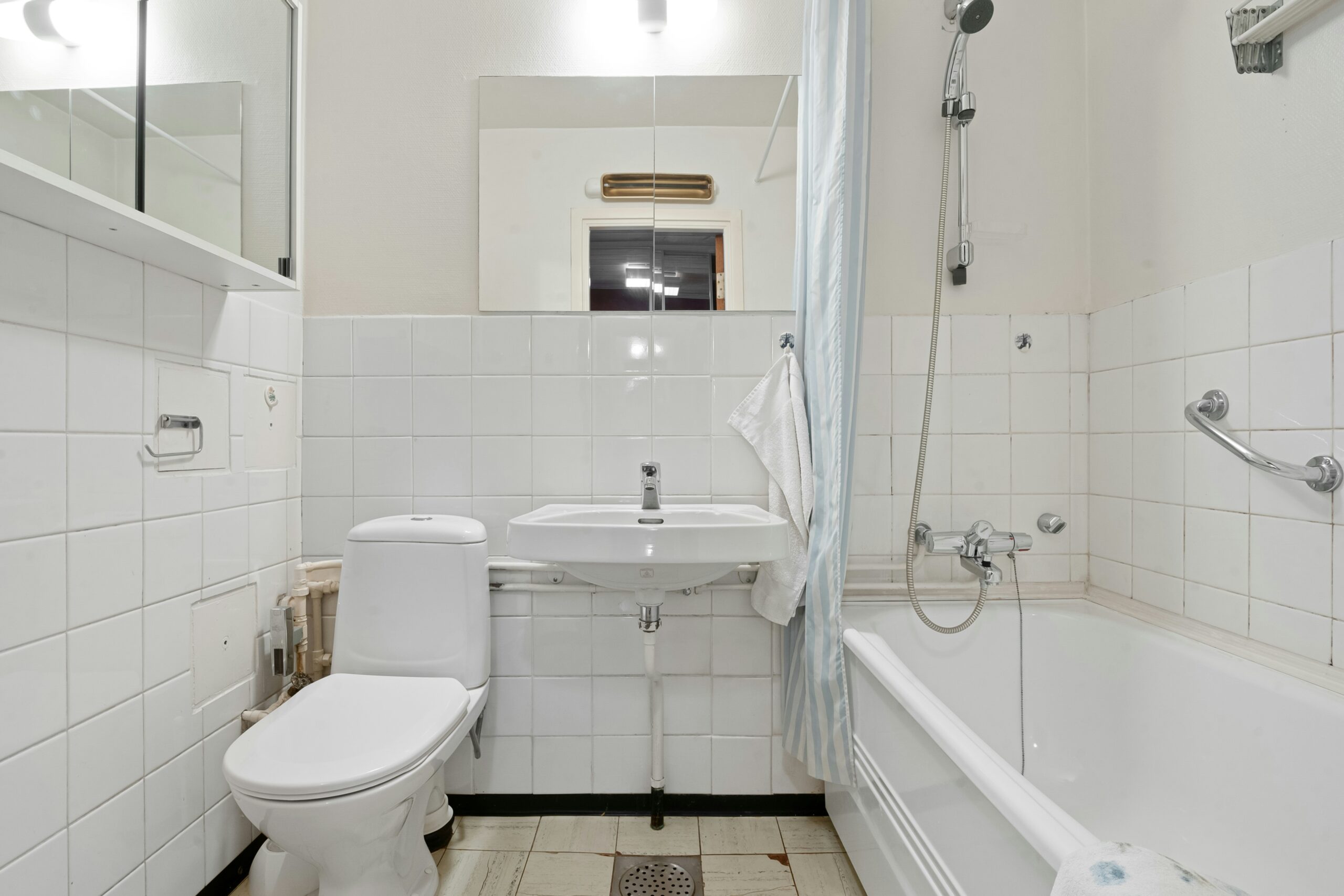
In the end, choose the option that best matches your confidence and capabilities. Balancing costs with potential benefits ensures a successful and affordable toilet replacement.
How to Choose the Right Plumber for Toilet Replacement
Selecting the right plumber is crucial for a smooth toilet replacement. An experienced professional ensures quality work and fewer issues. The right choice can prevent future problems and ensure proper installation.
Start by researching local plumbers with strong reputations. Check reviews and ratings online. Recommendations from friends can also be valuable. These provide insights into a plumber’s reliability and workmanship.
When evaluating potential plumbers, consider these points:
- Verify licences and insurance
- Seek multiple quotes to compare costs
- Ask about warranties on parts and labour
Ensuring your plumber meets these criteria provides peace of mind. A well-chosen professional can lead to a successful and stress-free toilet replacement process.
What’s Included in a Toilet Replacement Service?
When hiring a plumber for toilet replacement, it’s important to understand what’s included. A comprehensive service involves several key components that ensure a thorough and efficient installation.
Initially, the plumber will assess the existing setup. This step identifies any potential issues that might arise and guides the plumber throughout the project.
Typically, a toilet replacement service includes:
- Removal of the old toilet
- Installation of a new toilet
- Sealing and alignment checks
- Flushing system testing
Additionally, some services may cover the disposal of the old unit. Confirm all details with your plumber beforehand to avoid unexpected costs. Understanding these elements helps manage expectations and budget effectively.
Warranties, Guarantees, and Permits: What to Know
When replacing a toilet, consider warranties and guarantees. These can protect your investment and ensure quality service. Most reputable plumbers offer these assurances. They cover both labour and the toilet itself.
Moreover, check if a permit is necessary in your area. Some councils require one, even for simple plumbing tasks. This step can help you avoid future legal or safety issues.
- Labour warranty: Covers service-related issues.
- Manufacturer warranty: Protects against product defects.
- Permit requirements: Vary by location and project scope.
Research these elements before starting the replacement. This ensures a smooth and compliant process.
Projected Toilet Installation Costs for 2026
By 2026, toilet installation costs are expected to rise. Inflation and material price increases will drive this change. However, the rise may vary across regions.
Several factors will influence future prices. Labour costs and new technology in toilet designs play roles. Expect to pay more for high-efficiency or designer toilets.
- Labour costs: Likely to see an increase.
- Material costs: Rising trends predicted.
- Innovative designs: Can command higher prices.

Keep updated on these trends for budgeting and planning. Understanding potential costs can guide future home improvement decisions effectively.
Frequently Asked Questions About Toilet Replacement Costs
What is the average cost for a plumber to replace a toilet?
The average cost ranges from £150 to £400. This depends on the complexity and location.
Are removal fees separate from installation costs?
Most plumbers include removal fees in the overall price. However, some charge £30 to £50 extra.
Do different toilet types affect replacement costs?
Yes, type matters. Basic models are cheaper, whilst designer types can cost more.
- Basic models: Lower costs
- Designer models: Higher costs
- Water-saving models: Higher initial but savings over time
Do plumbers charge more for emergencies?
Yes, emergency services usually cost 1.5 to 2 times more. Timing also affects availability.
Are permits needed for toilet replacements?
Permits may be necessary, depending on local regulations. Always check with your local council first.
Key Takeaways: Understanding the Cost of Plumber Toilet Replacement
When hiring a plumber for a toilet replacement, several factors impact costs. Your location and toilet type are significant. Likewise, complexity plays a role.
Average costs can range widely. Basic replacements may start at £150, but intricate jobs might reach £400. Always get multiple quotes for assurance.
Remember additional fees like disposal or emergency charges. These can add £30 to £50 or more. Plan your budget accordingly.
- Basic Replacement: £150-£400
- Disposal Fees: £30-£50
- Emergency Charges: Higher than regular rates
Understanding these elements helps in making informed decisions. Make sure to consult local regulations for any required permits.