Why is a Boiler Leaking Water from Underneath
A boiler leaking water from underneath can be alarming. It often signals a problem that needs quick attention.

Ignoring it can lead to bigger issues. Water leaks can cause damage to your home and increase energy bills.
Understanding why your boiler is leaking is crucial. It helps in identifying the right solution.
Common causes include faulty pressure relief valves and corroded pipes. High pressure and damaged seals are also culprits.
Regular maintenance can prevent leaks and extend your boiler’s life. Knowing what to look for can save you time and money.
Signs Your Boiler Is Leaking Water
Detecting a boiler leak early can save you from costly repairs. Look for visible water stains around the boiler area.
Puddles forming beneath the boiler are also a clear indication of a leak. Do not ignore these signs, as they signify underlying issues.
Here are common signs to watch out for:
- Water stains or puddles near the boiler
- Decreased heating efficiency
- Unusual sounds or odours from the boiler
Monitoring these signs is key to preventing major problems. Addressing them promptly ensures your boiler operates efficiently.
Is a Boiler Leaking Water Dangerous?
A leaking boiler can pose several dangers. Water leakage can damage nearby structures and cause mould growth, leading to health issues.
Moreover, if the leak reaches electrical components, it could create a fire risk. It’s crucial to address leaks promptly to minimise these hazards.
Additionally, a leaking boiler is less efficient. This inefficiency leads to higher energy bills and uncomfortable indoor temperatures. Always prioritise safety by tackling leaks as soon as they are discovered.
Common Causes of Water Leaking from the Bottom of a Boiler
Water leaking from a boiler usually points to internal faults. Several factors contribute to this problem. Here are the typical causes:
- Faulty pressure relief valve
- Corroded pipes or internal components
- Excessive boiler pressure
- Damaged seals or loose joints
- Faulty heat exchanger
- Leaking condensate pipe
- Poor installation or maintenance
Identifying the root cause quickly is essential to prevent further damage and costly repairs. Recognising signs early not only avoids inconvenience but also extends your boiler’s lifespan.
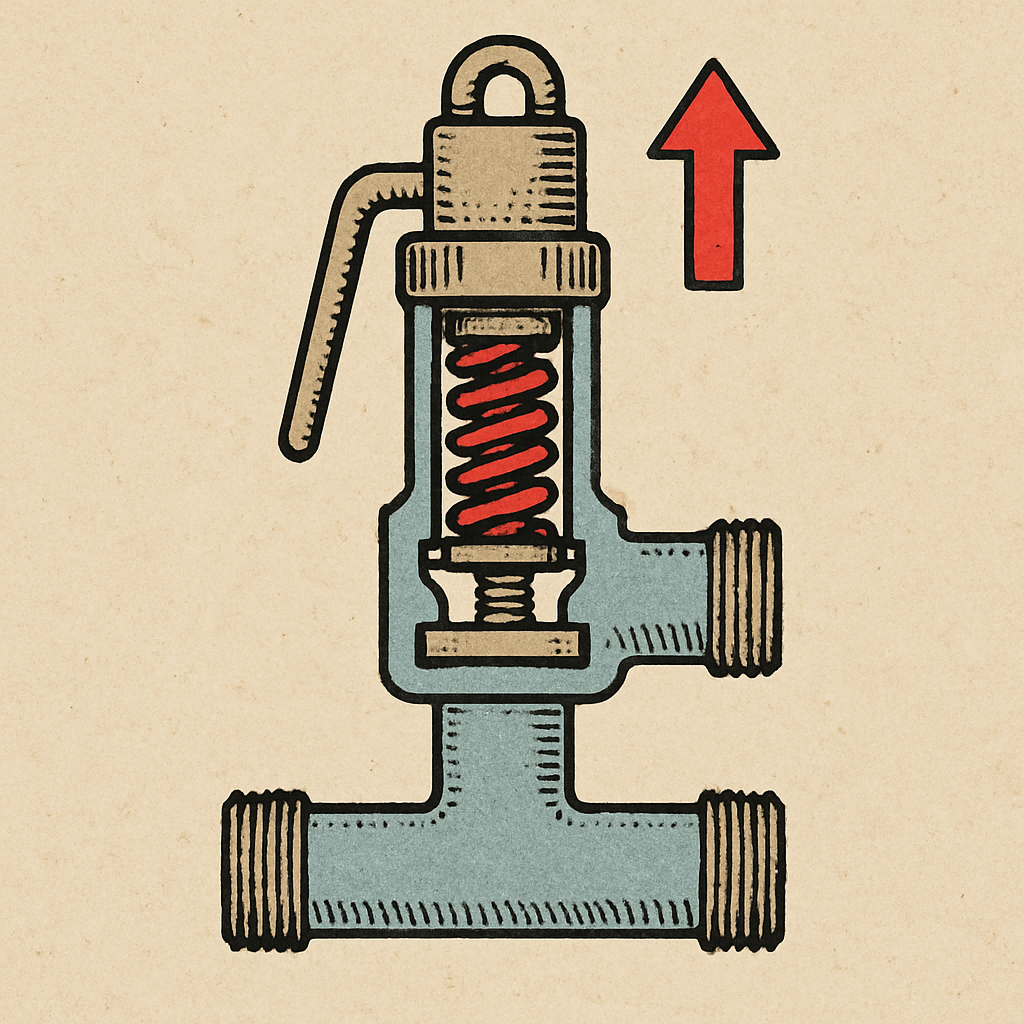
Faulty Boiler Pressure Relief Valve
A pressure relief valve ensures boiler safety by releasing excess pressure. But a faulty valve can cause ongoing leaks.
Leaks from the pressure relief valve often occur due to overpressure or malfunction. Regular checks of this component are vital for maintaining boiler efficiency.
When the valve leaks, it indicates the pressure may be too high, or the valve needs replacement. Consider a few steps:
- Regular testing of the valve
- Professional inspection for persistent issues
- Replacement if frequent leaks are observed
Corroded Pipes and Internal Components
Corrosion is a common adversary of any boiler system. Rust weakens pipes and other components over time, leading to leaks.
If pipes or the tank itself corrode, water will seep through the compromised areas. This is most often seen in older systems.
Keep an eye out for rusty stains or unusual noises, signs that components may be eroding. Addressing corrosion early can prevent extensive damages.
High Boiler Pressure
Boilers must maintain optimal pressure for effective operation. However, excessive pressure can lead to leaks.
High pressure can strain seals and joints, prompting them to leak. Regularly checking the pressure gauge can pre-empt this problem.
To tackle high pressure, consider:
- Adjusting the pressure settings
- Checking the pressure relief valve
- Ensuring the expansion vessel is functioning properly
Damaged Seals and Loose Joints
Over time, seals can wear out, and joints may become loose. This makes them susceptible to leaks.
These small components play a crucial role in containing water within the system. Regular inspection can help keep these in good condition.
To address such issues:
- Regularly tighten fittings
- Replace worn seals
- Schedule periodic professional inspections
Faulty Heat Exchanger
The heat exchanger is a core part of the boiler. It’s vital for heat transfer in the system, but wear can lead to leaks.
A faulty heat exchanger might crack, allowing water to escape. Monitoring your boiler’s performance can help detect related issues early.
Leaking Condensate Pipe
Condensate pipes carry acidic water away, risking leaks if they are blocked or damaged.
When these pipes leak, it could indicate internal blockages or poor alignment. Regular cleaning and checks are advisable.
Poor Installation or Maintenance
Poor installation often leaves a boiler system vulnerable to issues, including leaks. Faulty setup can misalign components, cause stress, or introduce other problems.
Regular maintenance aids in identifying these issues early, ensuring continued safe operation. Adhering to installation and maintenance guidelines can greatly reduce leak risks.
How to Identify the Source of a Boiler Leak
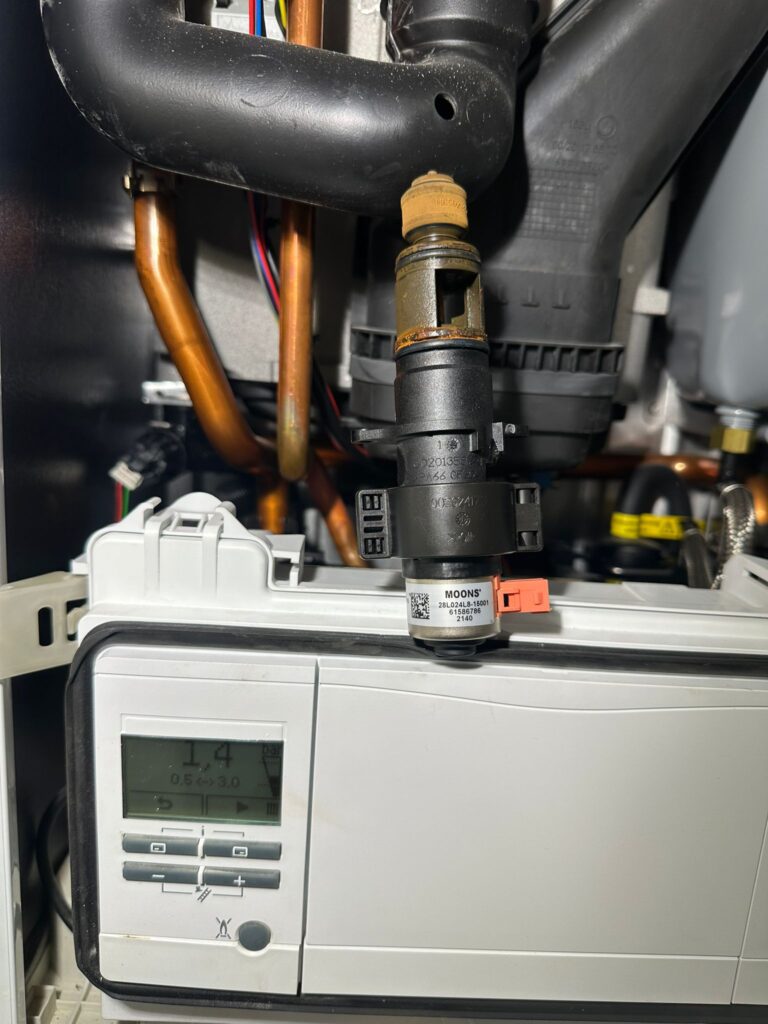
Spotting the source of a leak in your boiler requires keen observation. Begin by turning off the boiler and allowing it to cool.
Examine the exterior for visible water stains or puddles. These can guide you to the specific leak location.
Next, inspect vital parts to identify common leak sources. Focus on:
- Pressure relief valve
- Pipes and connections
- Seals and joints
- Heat exchanger
- Condensate pipe
Use a torch for better visibility. Listen for unusual sounds that can indicate leaking water. These steps will aid you in pinpointing the source effectively.
What to Do If Your Boiler Is Leaking Water
If you discover a water leak in your boiler, act swiftly. First, turn off the boiler to prevent further damage. This is crucial for safety and to avoid electrical hazards.
Assess the severity of the leak. Minor leaks might be manageable with simple fixes. However, if the leak is significant, it’s best not to delay professional help.
For minor leaks, consider these quick checks:
- Tighten any loose connections.
- Replace worn seals.
- Check pressure settings.
If these steps do not resolve the issue, consult an expert to prevent further complications.
Can You Fix a Boiler Leak Yourself?
Fixing a minor boiler leak is possible for handy individuals. Begin by identifying the source of the leak. This step is crucial for directing the repair efforts correctly.
Once identified, you might be able to resolve simple issues yourself. Here are potential DIY solutions:
- Tighten connections using the appropriate tools.
- Replace worn or damaged seals with new ones.
- Adjust the boiler pressure to the recommended range.
However, be cautious. For complex problems or if you’re unsure, it’s safer to call a professional. Missteps can lead to greater damage or safety risks.
When to Call a Professional for Boiler Leak Repair
Certain boiler issues require professional attention to ensure safety and proper repair. If the leak persists despite your efforts, it’s time to seek expert help.
Consider calling a professional if you encounter:
- Repeated leaks from the same area.
- Significant water puddles and rapid leaks.
- Strange noises or unpleasant odours from the boiler.
Professionals possess the necessary tools and expertise to handle complex repairs effectively. Do not hesitate to contact them to prevent further complications and potential hazards.
Boiler Maintenance Tips to Prevent Leaks
Regular maintenance is crucial to prevent boiler leaks. Simple preventive measures can save money and ensure safe operation. Make these practices part of your routine to keep your boiler in top condition.
Key maintenance tips include:
- Inspecting pressure relief valves annually.
- Checking pressure levels monthly.
- Cleaning and insulating pipes to avoid corrosion.
Additionally, pay attention to any unusual smells or sounds. These can be early indicators of potential problems. Regular checks reduce the likelihood of serious leaks and extend your boiler’s lifespan.
Frequently Asked Questions About Boiler Water Leaks
Boiler water leaks can be perplexing and raise many questions. Addressing these common queries can help ease concerns. Understanding the basics is the first step to finding solutions.
Here are some frequently asked questions:
- Why is my boiler leaking water? Leaks often result from high pressure, faulty valves, or corrosion.
- Is a leaking boiler dangerous? Yes, it can lead to water damage and increase energy bills.
- Can I fix a leak myself? Minor leaks may be resolved by tightening or replacing components, but professional help is advised for persistent issues.
By tackling these questions, you can better handle boiler leaks with confidence.
Conclusion
Boiler leaks, though common, should not be ignored. They can lead to significant issues if left unchecked.
(Note: The input text is already suitable for British English, as there are no terms that need altering for vocabulary, spelling, or grammar. Thus, the output remains the same.) Understanding the causes, such as high pressure and faulty components, is essential for effective troubleshooting.
Regular maintenance is key to preventing leaks and prolonging your boiler’s life. Always consider professional repair services when DIY methods are insufficient. By addressing these leaks promptly, you ensure your boiler operates efficiently and safely.